
In 2017 I co-launched a collection of regenerative resorts across Central America and the Caribbean. The concept was simple: curate independent, eco-luxury hotels into a group so they can benefit from economies of scale.
It only took six months to go from “let’s do this” to hosting an in-person hoteliers convening and now ~ 40 global properties are in the network.
Why I left eco-luxury resorts for the urban built environment.
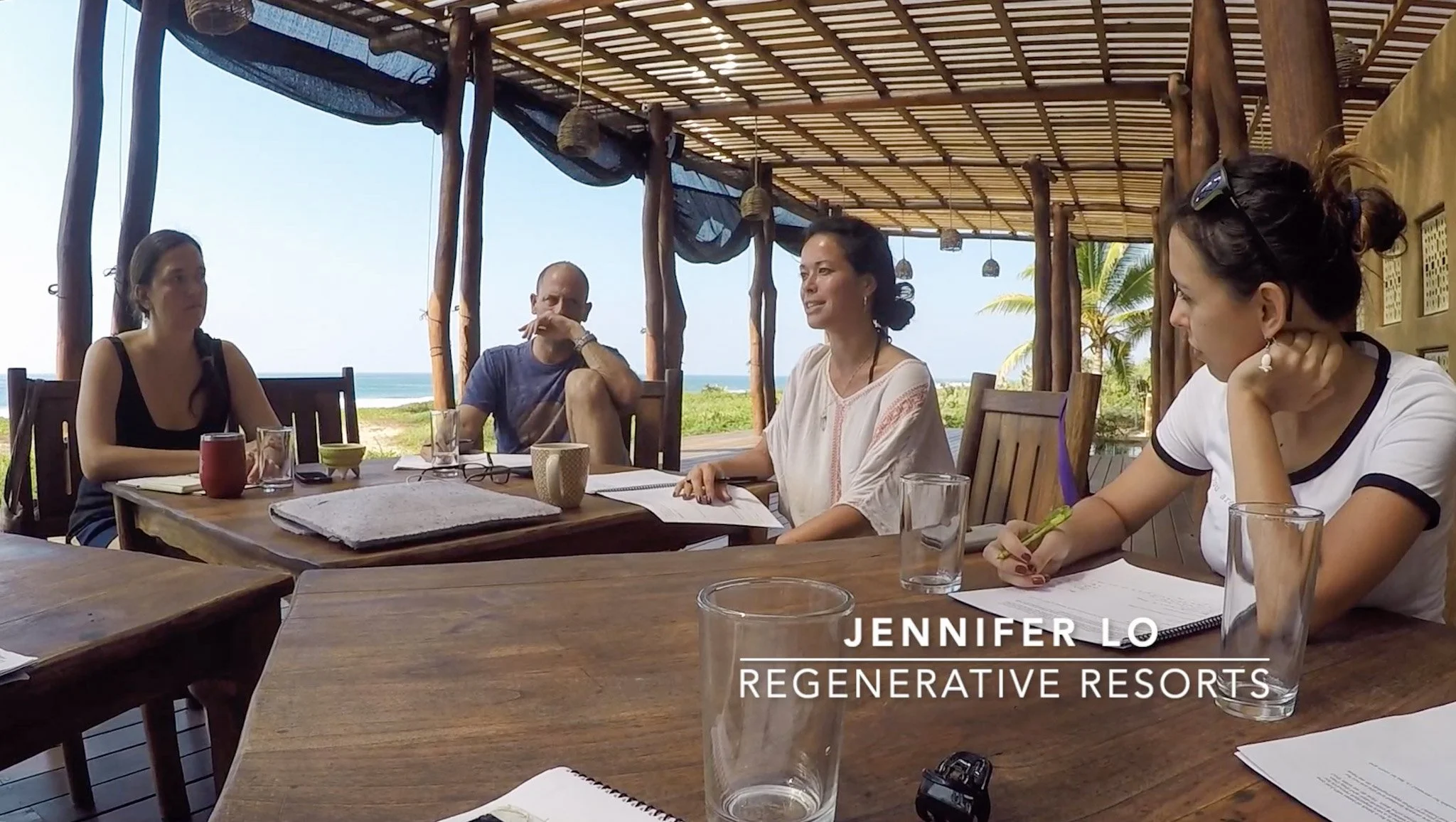
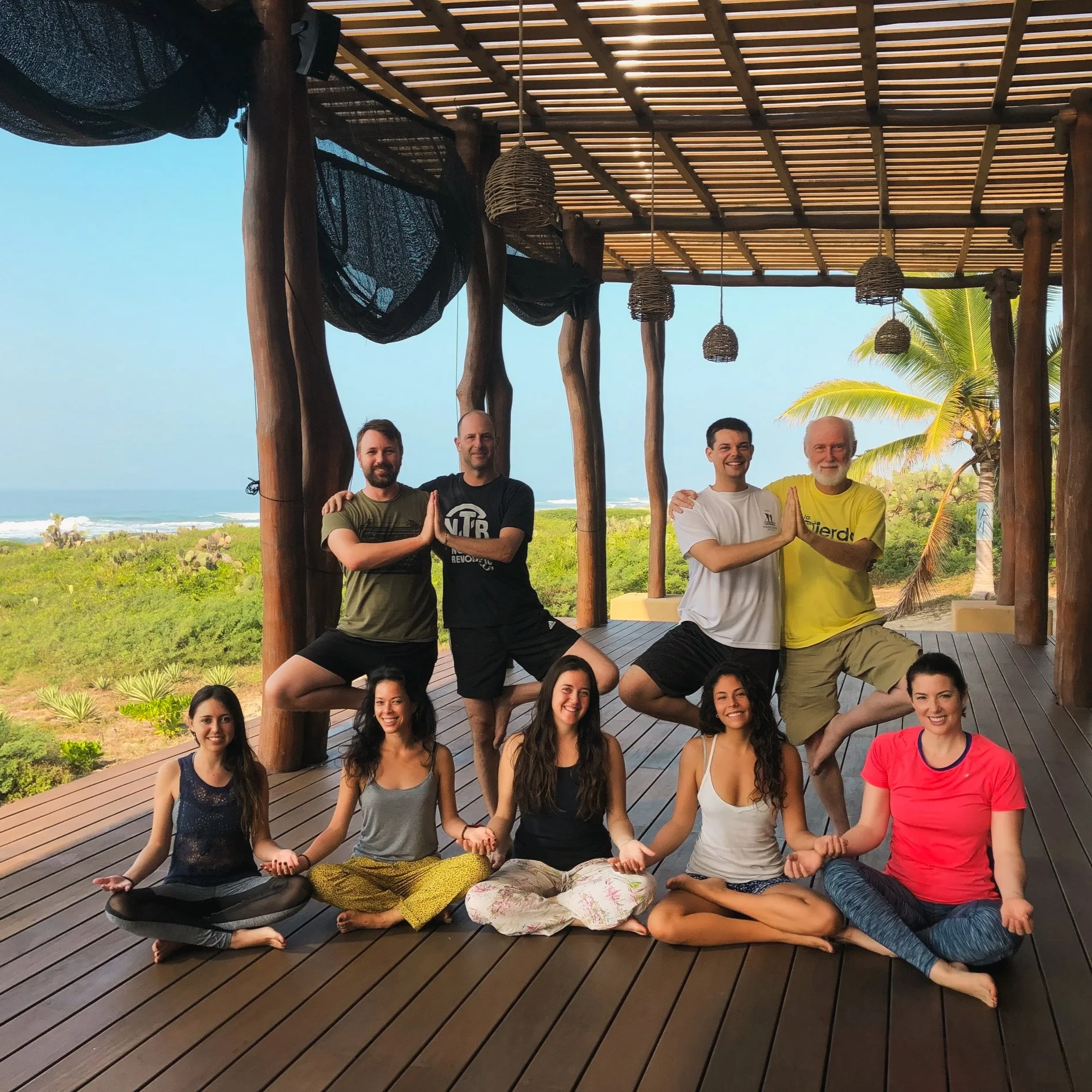
Inaugural convening at Playa Viva Resort, Juluchuca, Mexico, November 2017
What is a regenerative resort?
To be considered regenerative, our criteria landed on being a steward, taking restorative action, and making a place better. We analyzed each property’s social and environmental activities before inviting them to be a member.
While hotels were calling themselves eco or green, very few acted responsibly towards their ecosystem including water, soil, air, wildlife, and humans. One might do less bad, but that isn’t unsustainable.
Typically, hotels by their very existence are destructive from real estate development and the nature of tourism being transient, thus resulting in waste.
When my partner-to-be and I met, we’d both been building lists of authentic eco-hotels around the world. I was blogging about hotel practices and leveraging social media to crowdsource information while building a target audience. He had been meeting with industry leaders to discuss a viable business model since he owned a regenerative resort of his own, and was looking to help his guests answer a simple question, “Can you recommend another hotel like yours?”
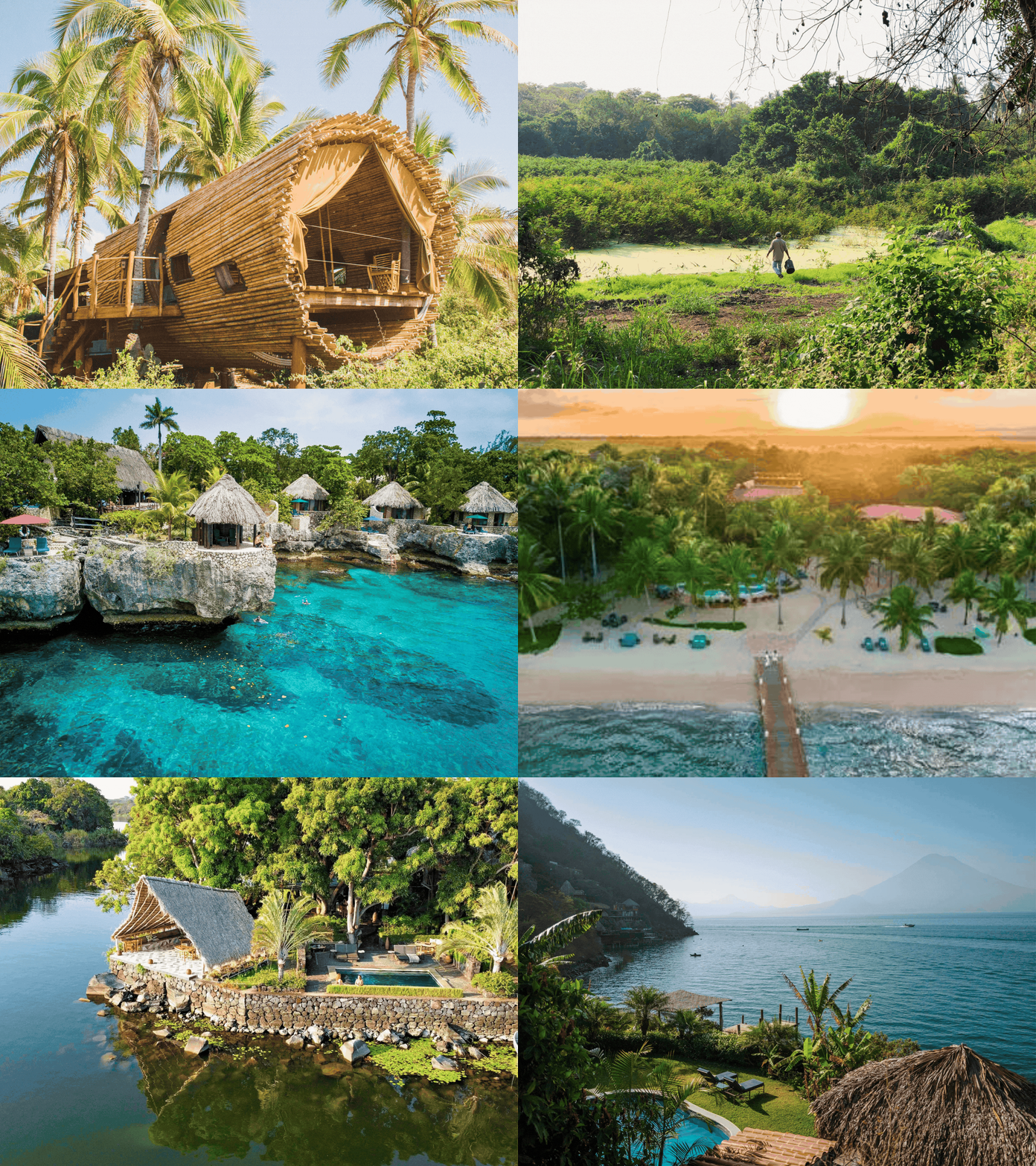
Regeneration is required to achieve true sustainability.
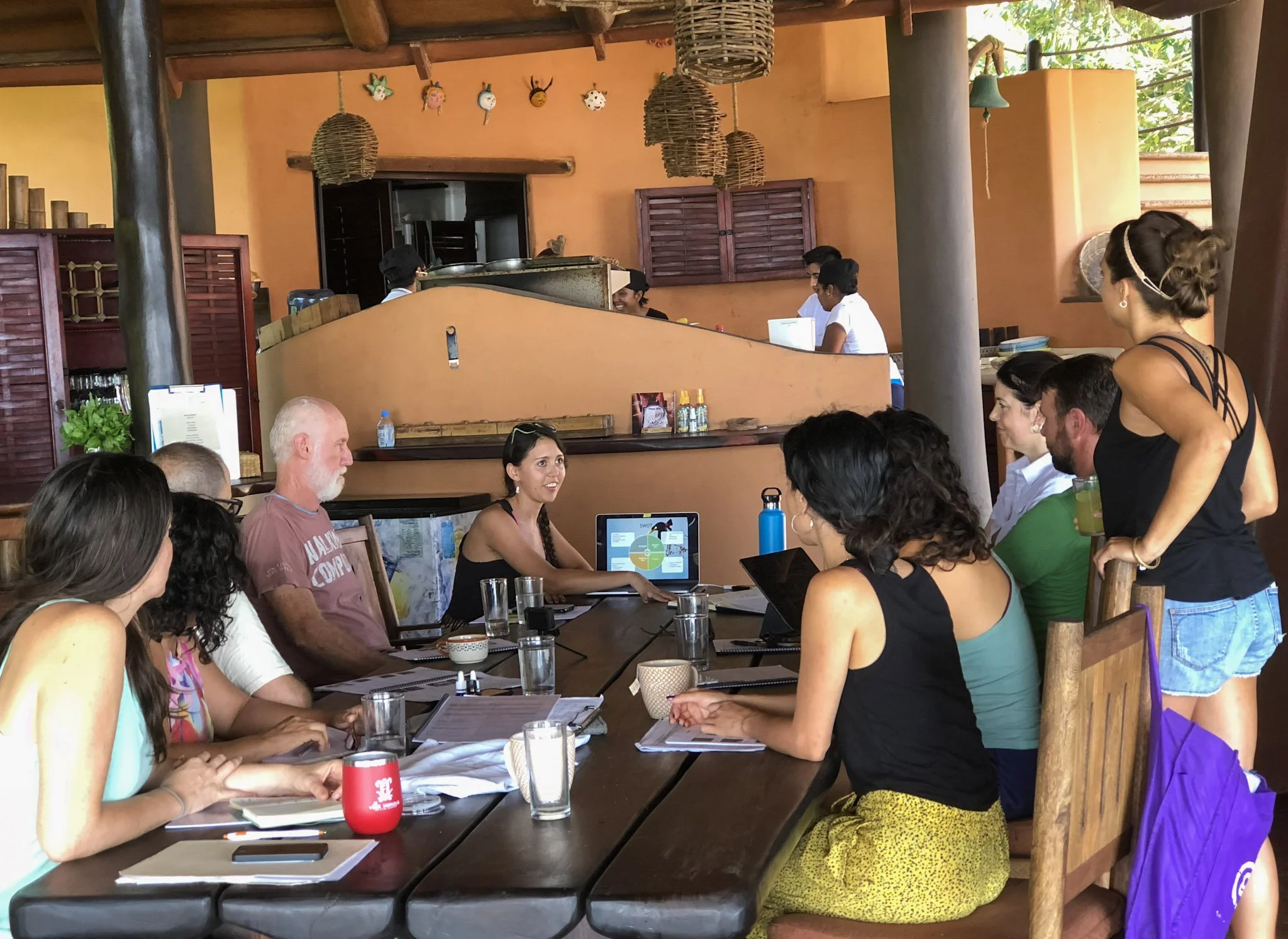
Owners in this category were isolated. They were each solving the same problems alone: how to source locally with little distribution, how to staff from small towns, and how to attract customers who might be looking for them but didn't know they existed yet.
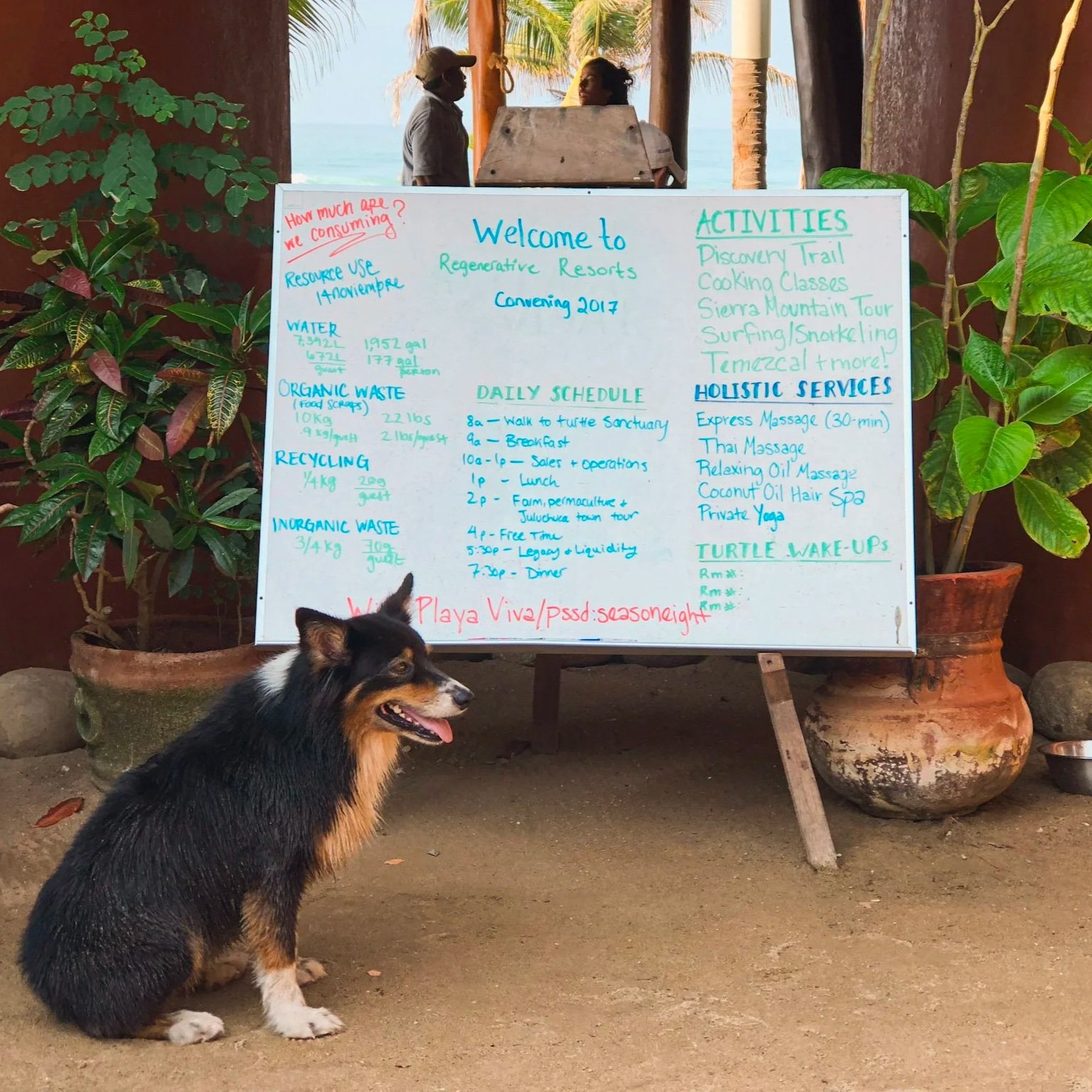
So we created think tank sessions covering operations, sales & marketing. But true to our style, we hosted it "in the field" (corporate hotel ballrooms I'm looking at you!)
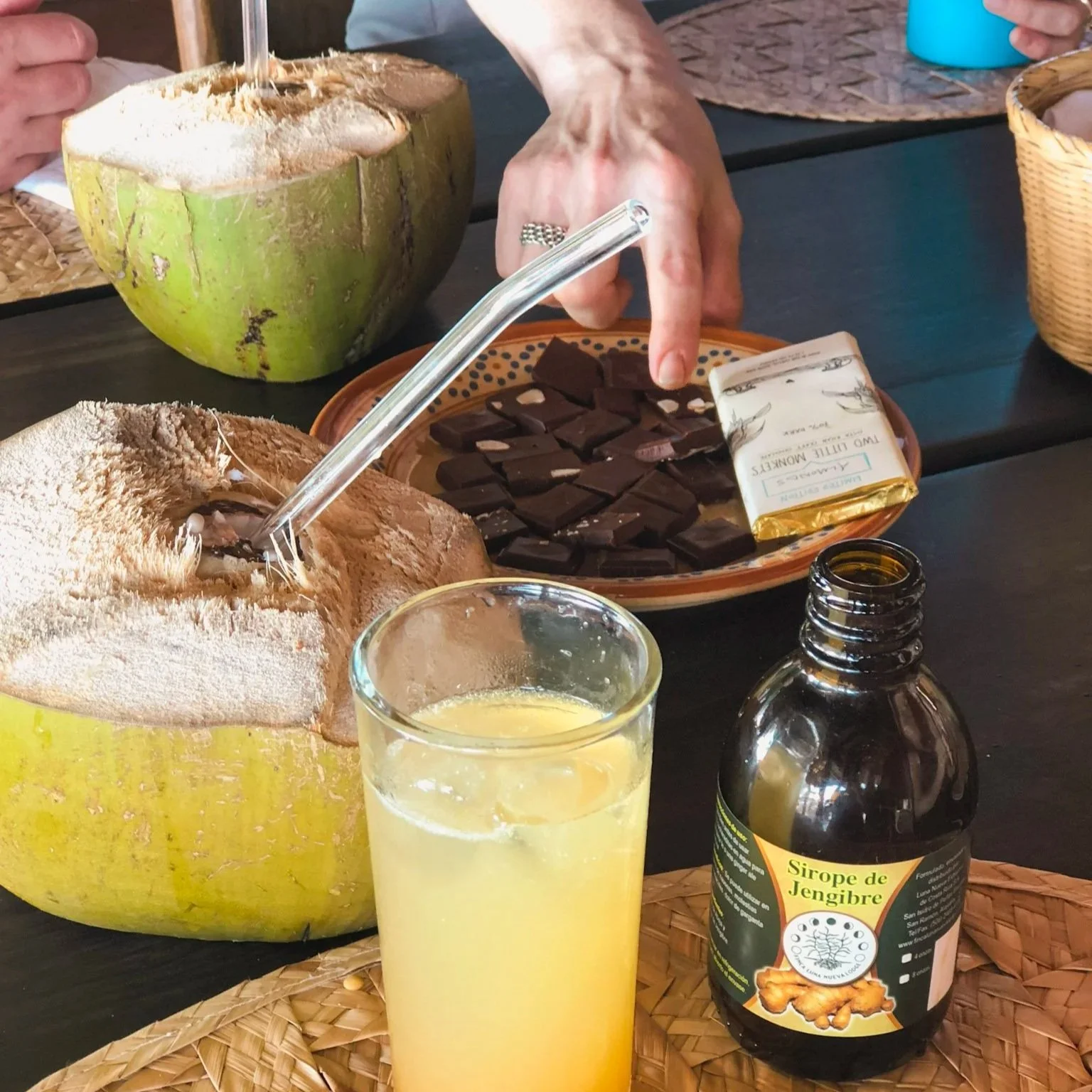
Owners shared goods they grew and produced on their land while telling stories of the local farmers they partner with. True impact in action.

Building an online presence and creating proof of demand before reaching out to any hotelier was a quick process. I was used to growing social media accounts from zero to nothing with former clients and entrepreneurial projects.
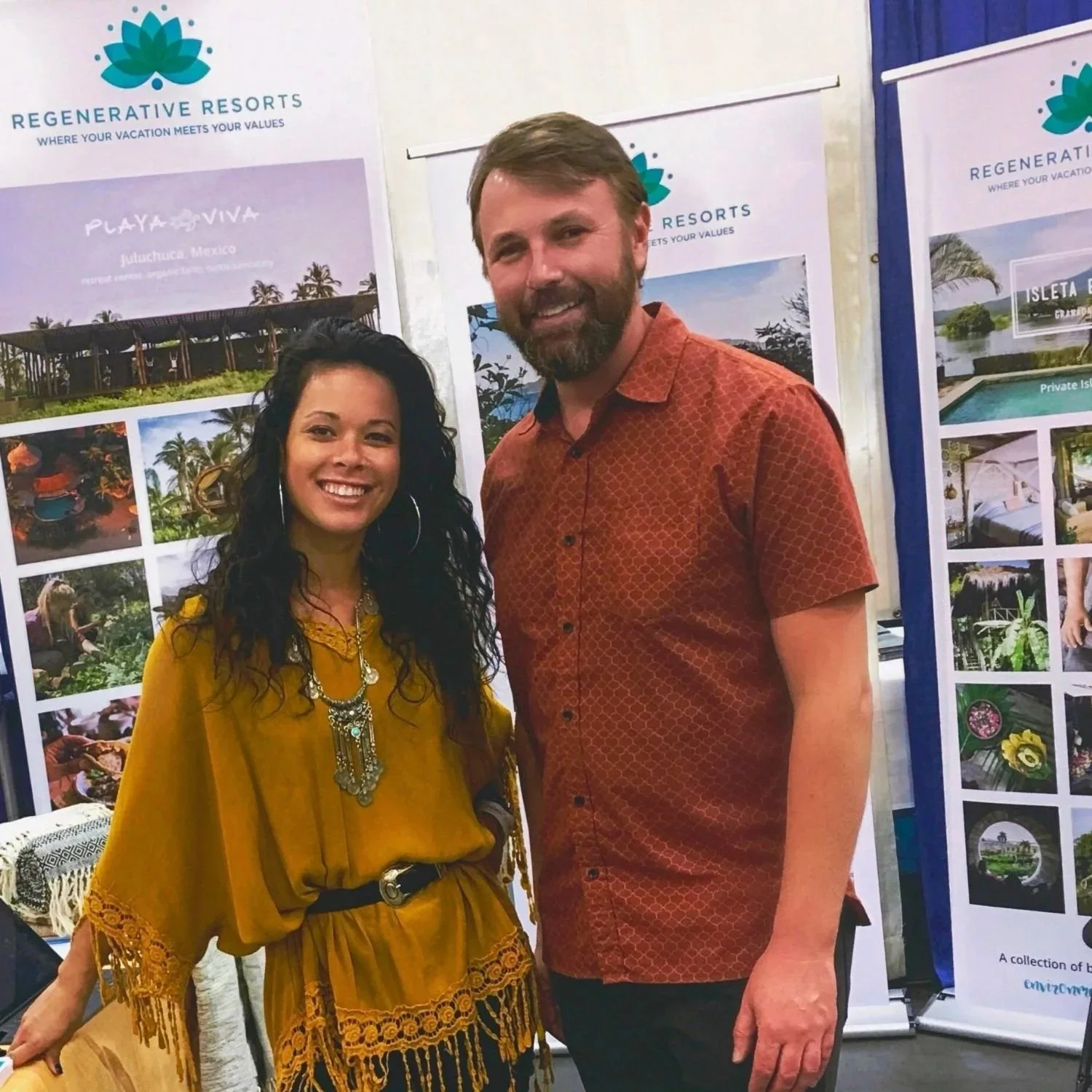
It was very rewarding promoting my new friends' hotels at trade shows,
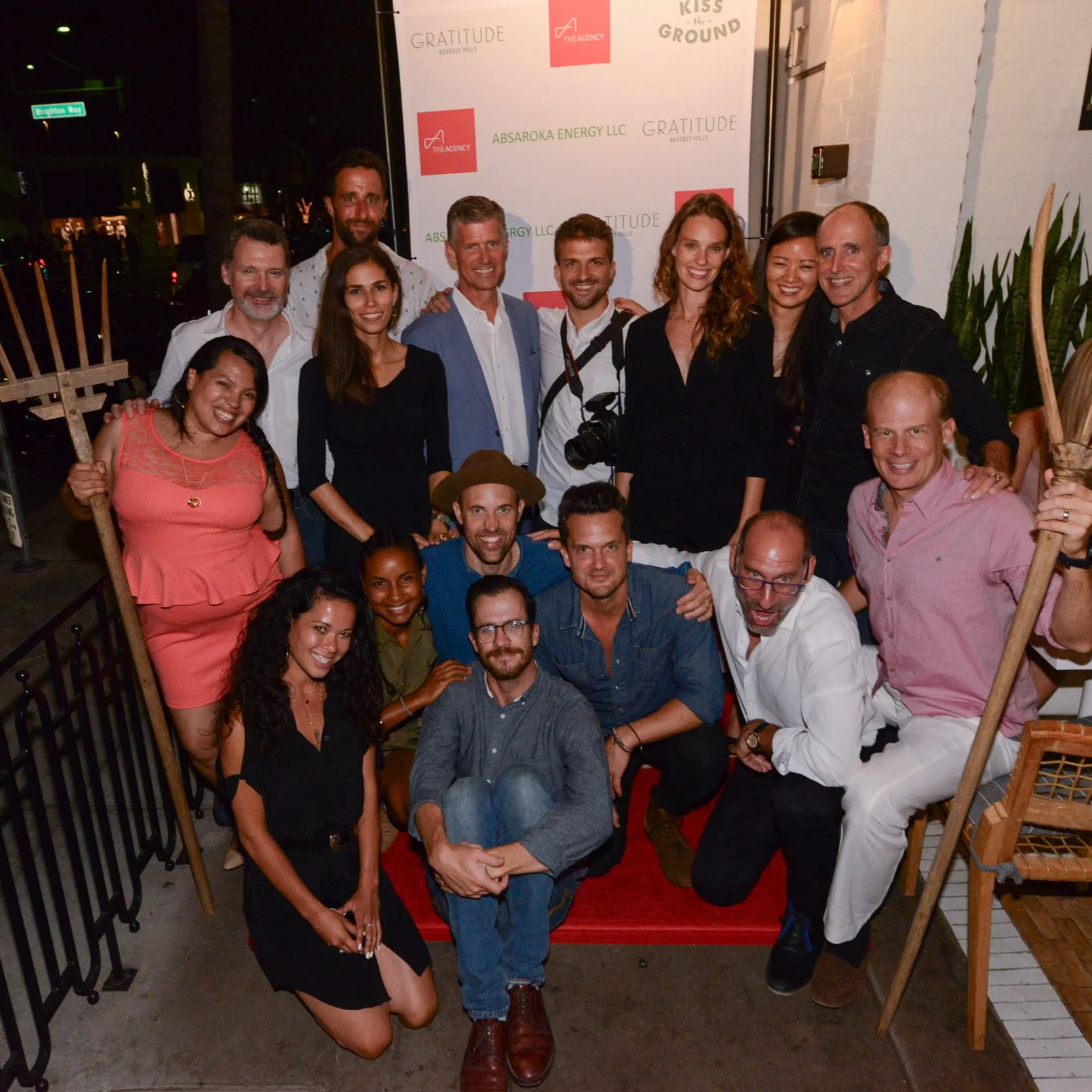
at industry-aligned events,
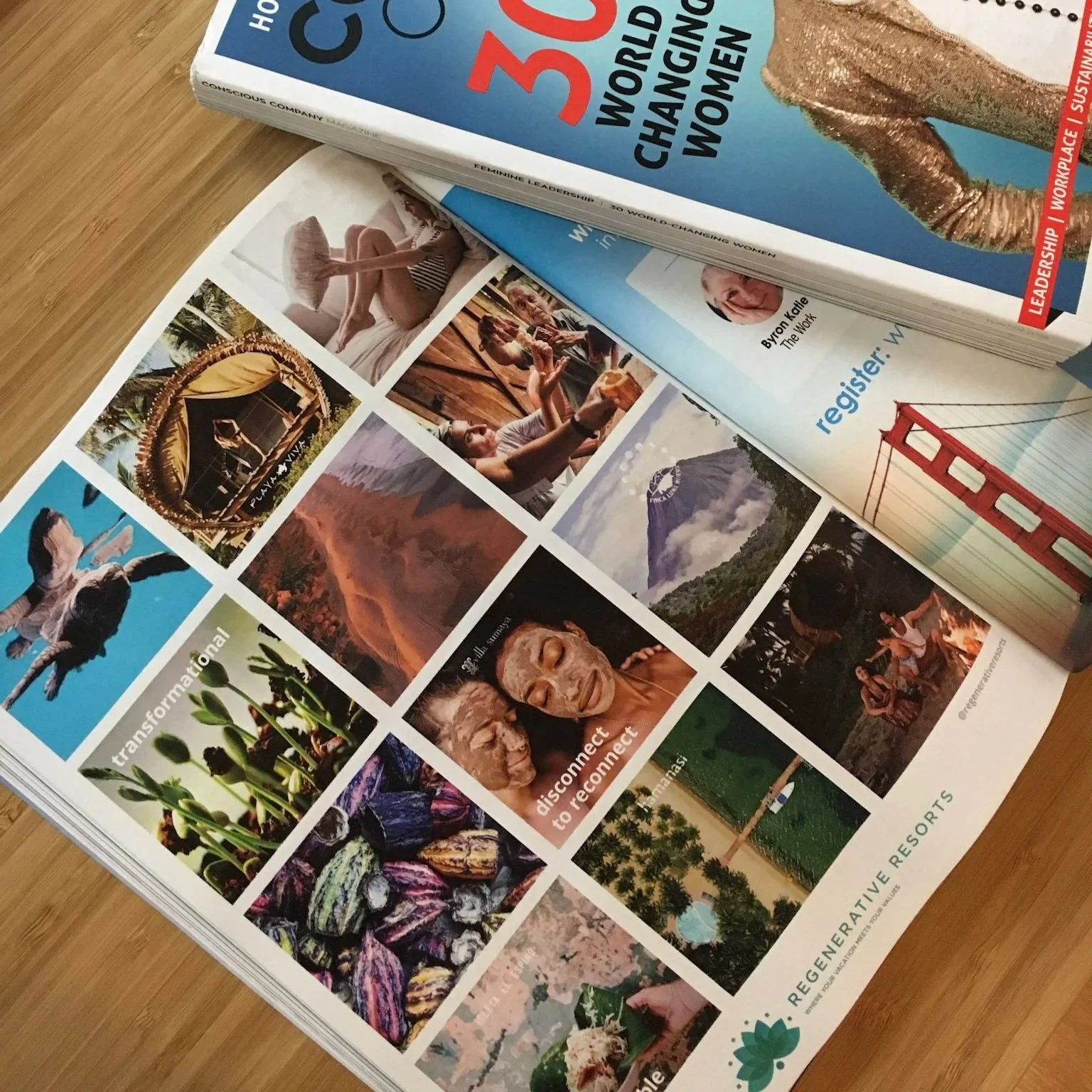
, and in print media – wherever the customer was.
Truly good humans committed to regenerating the environmental and social needs of where their hotels resided.
Longing for a sustainable lifestyle.
What I noticed from guests, and from myself, was how difficult it was to hold on to these aspirational values back home, wherever home was.
People would save up all year for a one week vacation at a regenerative resort, immersed in lush nature, healthy food, and slowing down. They’d leave feeling restored and inspired.
Then they’d go back to their real lives.
Ironically, my days on the screen were filled with jungles, islands, and mountains. Meanwhile I lived in Los Angeles, one of the most resourced cities in the world, and could not recommend a single hotel that met my values.
To be clear, I’m not knocking hotels in rural landscapes – they’re needed and I’m still a customer.
Ultimately, regenerative resorts was a vacation and I wanted to build a lifestyle. So I left to pursue how.
Learning the other half of the business.
I knew this road would be harder. It was so easy to attract people to tropical destinations that were fun! But there was no urban regenerative hotel in my city, which meant building one.
I don't come from real estate. Most first-time hoteliers seem to get there through family capital, and that wasn't my path either. I knew hospitality and sustainability; I had to go learn the other parts to understand how buildings actually get financed, entitled, and delivered—
Cornell certificate in hotel real estate investing and asset management
Accreditation in WELL (healthy building design and operations)
Years at a sustainable building consultancy working for commercial owner and development teams
CRE conference engagements with panels and events
goldenco is where both regenerative values and urban development converge. A neighborhood hotel and club where participation is the amenity, in a city that both tourists and local residents come together on any given day of the week.
I'm in pre-development on the the first one. If any of this resonates, I'd love to hear from you.
– Jennifer