
The New Language of Luxury: Notes From BLLA
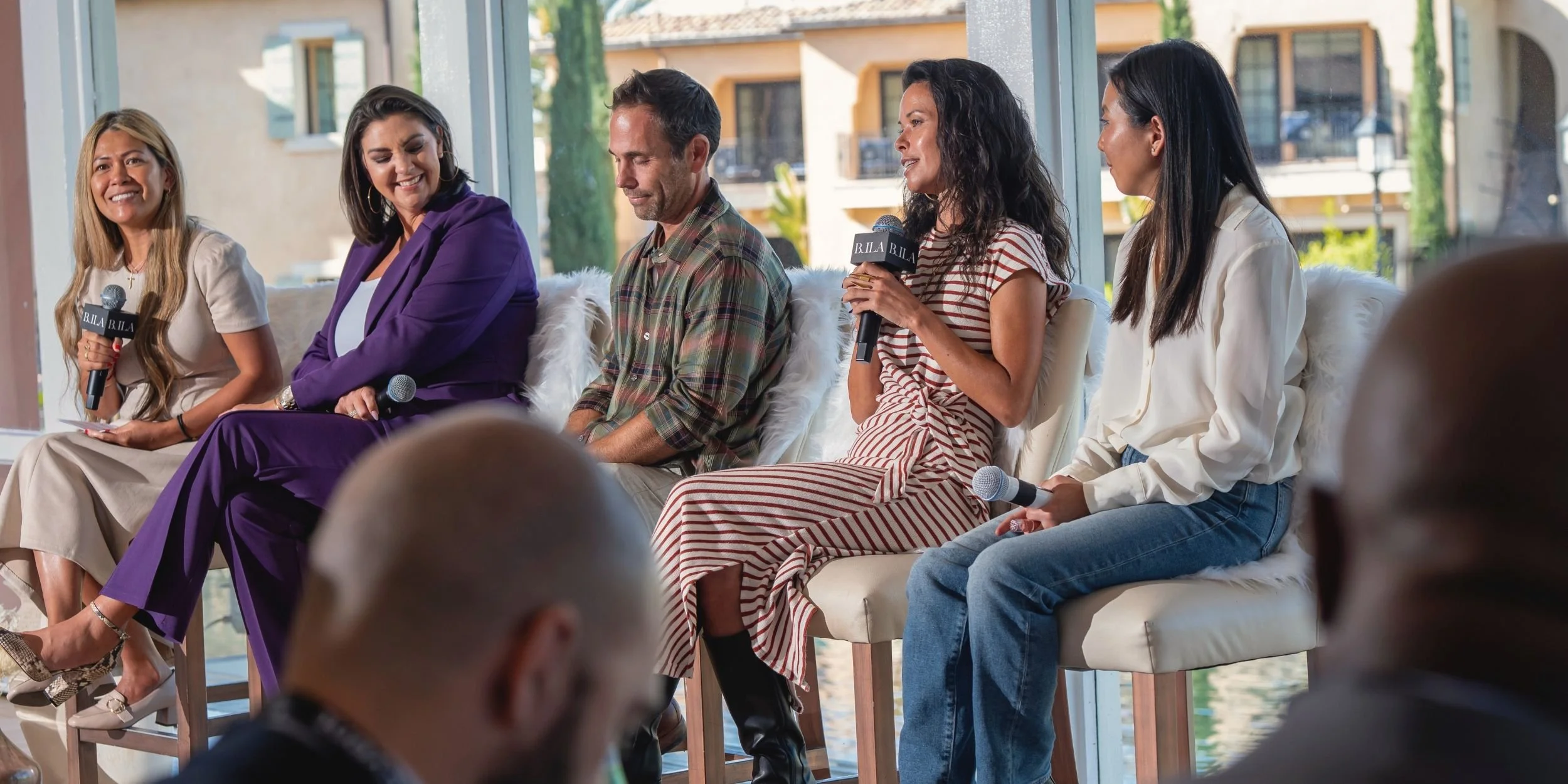
Luxury is an individual definition now, and brands are creating distinct versions of it.
At lunch before the panel, I polled people around me: “What does luxury mean to you?”
We didn’t know one another or our backgrounds, so it was the perfect group for me to get unbiased answers before our session titled The New Language of Luxury Travel.
A woman shared her story of dining at SingleThread, a 3-star Michelin restaurant, farm, and inn located in Healdsburg, California. The interactive kaiseki involves foraging through a tablescaped mini garden. Her husband was picking around a few dishes, avoiding some of the more unfamiliar items such as liver mousse, when suddenly a server brought over a cashew-based mousse. She recounted that it was just as flavorful and provided the same texture as its poultry-based counterpart — but the fact that someone noticed and thoughtfully took action to ensure the guest didn’t miss out on any parts of the experience, was luxury to her.
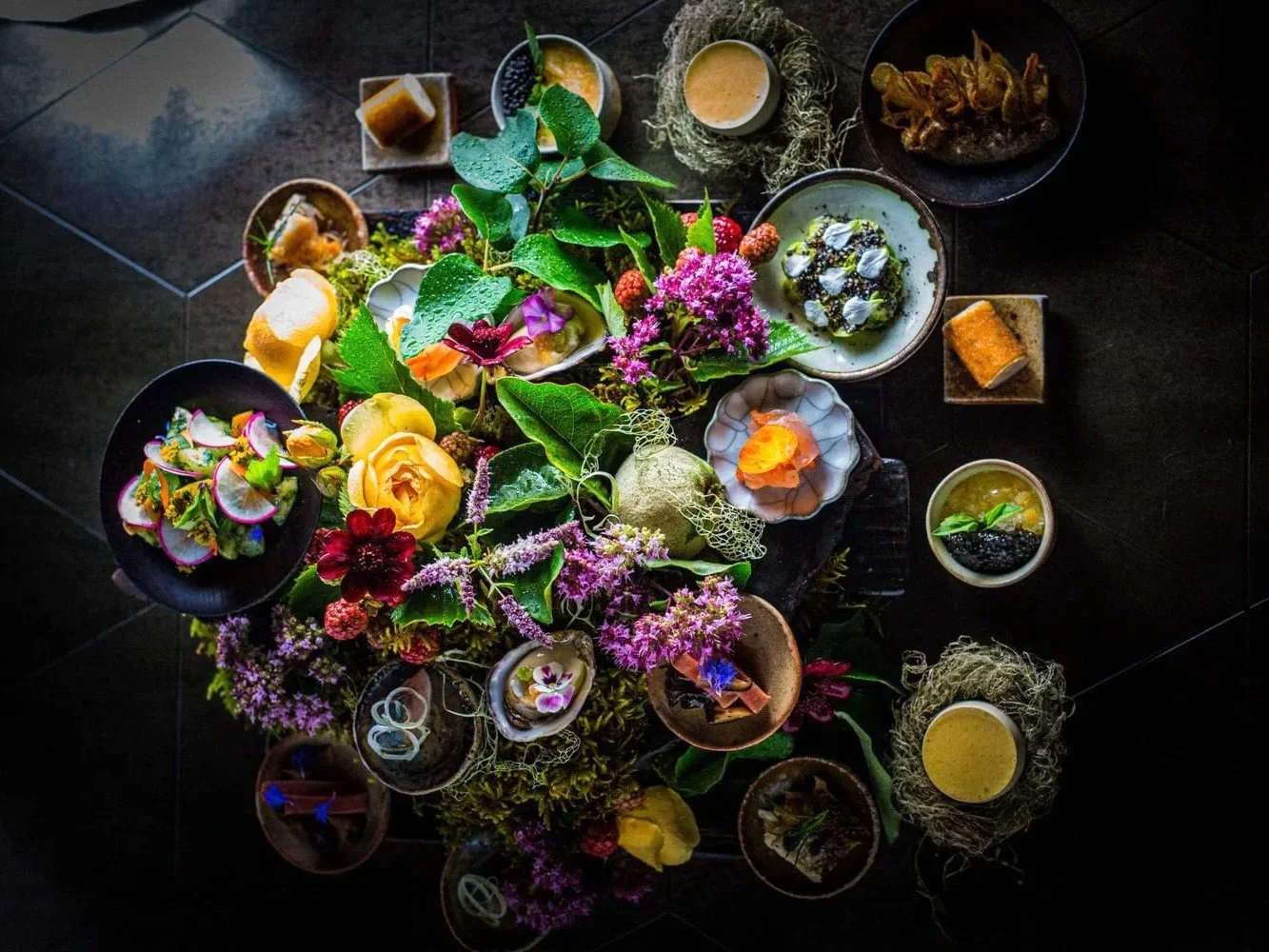
Kaiseki at SingleThread
Values over status symbols
I was invited to speak at BLLA’s Boutique Hotel Owners Conference themed The Age of Wonder – what you notice becomes what you build.
I’ve had my fair share of hotel experiences, growing up my family moved and traveled a lot, then I went on to study and work in hospitality, tourism, and entertainment.
Over the last decade I’ve heard numerous declarations of what the NEW luxury is. First it was sustainability, then wellness, and now I hear longevity (a level up from simply staying healthy), and handmade (a pushback against machine and AI-generated art). In all of these, I recognize a throughline that people desire a more natural way of living.
In business people ask what’s driving demand. I believe people are demanding that health is a right, and it’s showing up across every industry and sector.
34% of the top 1% of affluent travelers plan a trip mainly for health and wellness, up from 15% in 2022.¹
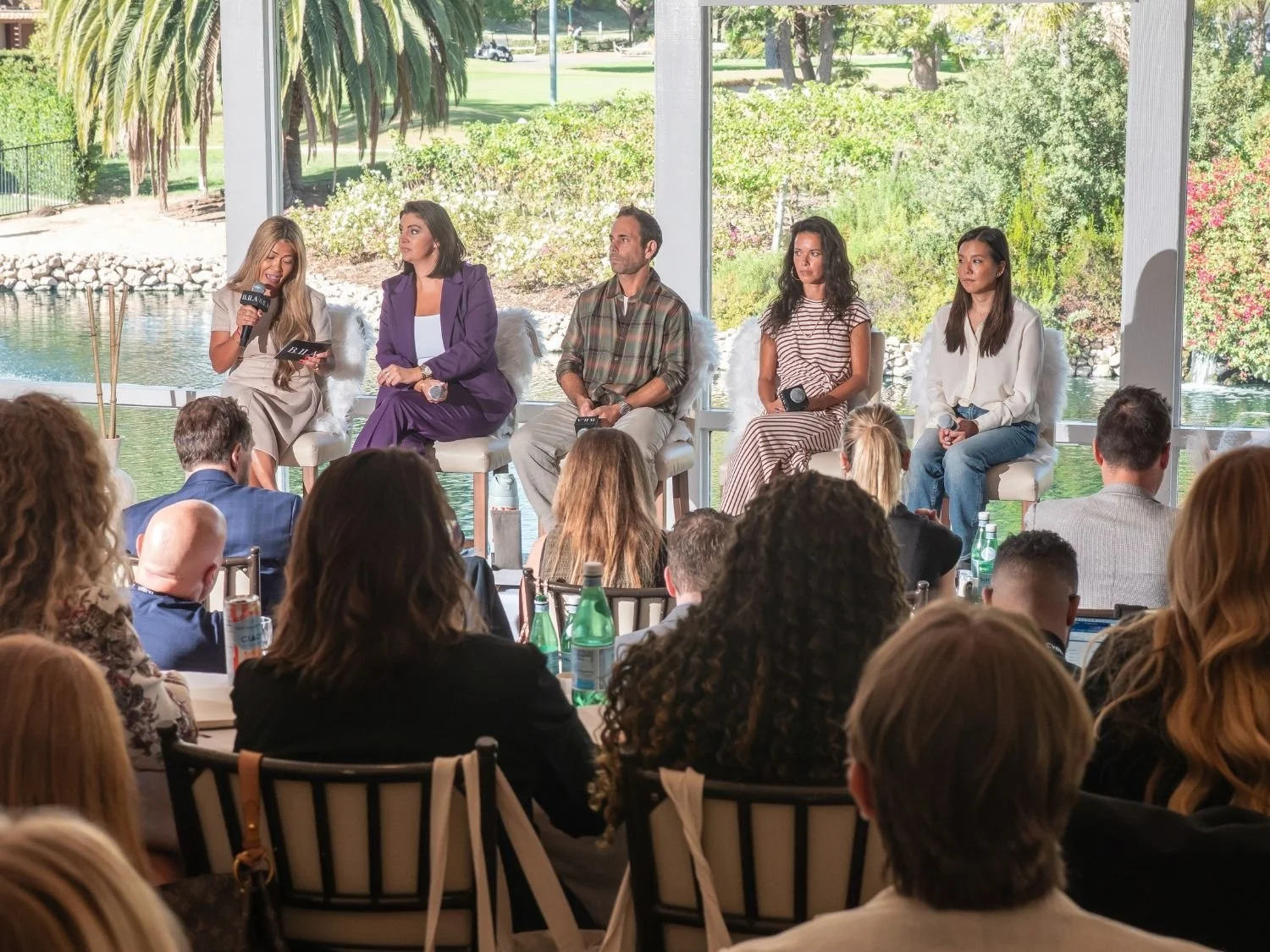
Moderated by Hya Valdez, Head of Global Partnerships, Luxury Travel at Capital One • Bandy Thigpen, Host City Director for FIFA World Cup LA • Gabriel Ratner, COO of Proper Hospitality • Jennifer Lo, founder of goldenco • Jessie Fischer, Guest Experience at Yosemite Resorts
What you notice
becomes what you build.
Hotels using food as an anchor
Travelers are increasingly selecting their hotels based on dining. Hya asked, “At goldenco, culture is central to the F&B experience. What are some good examples you’ve seen of hotels using food as a story-driven anchor rather than just an amenity?”
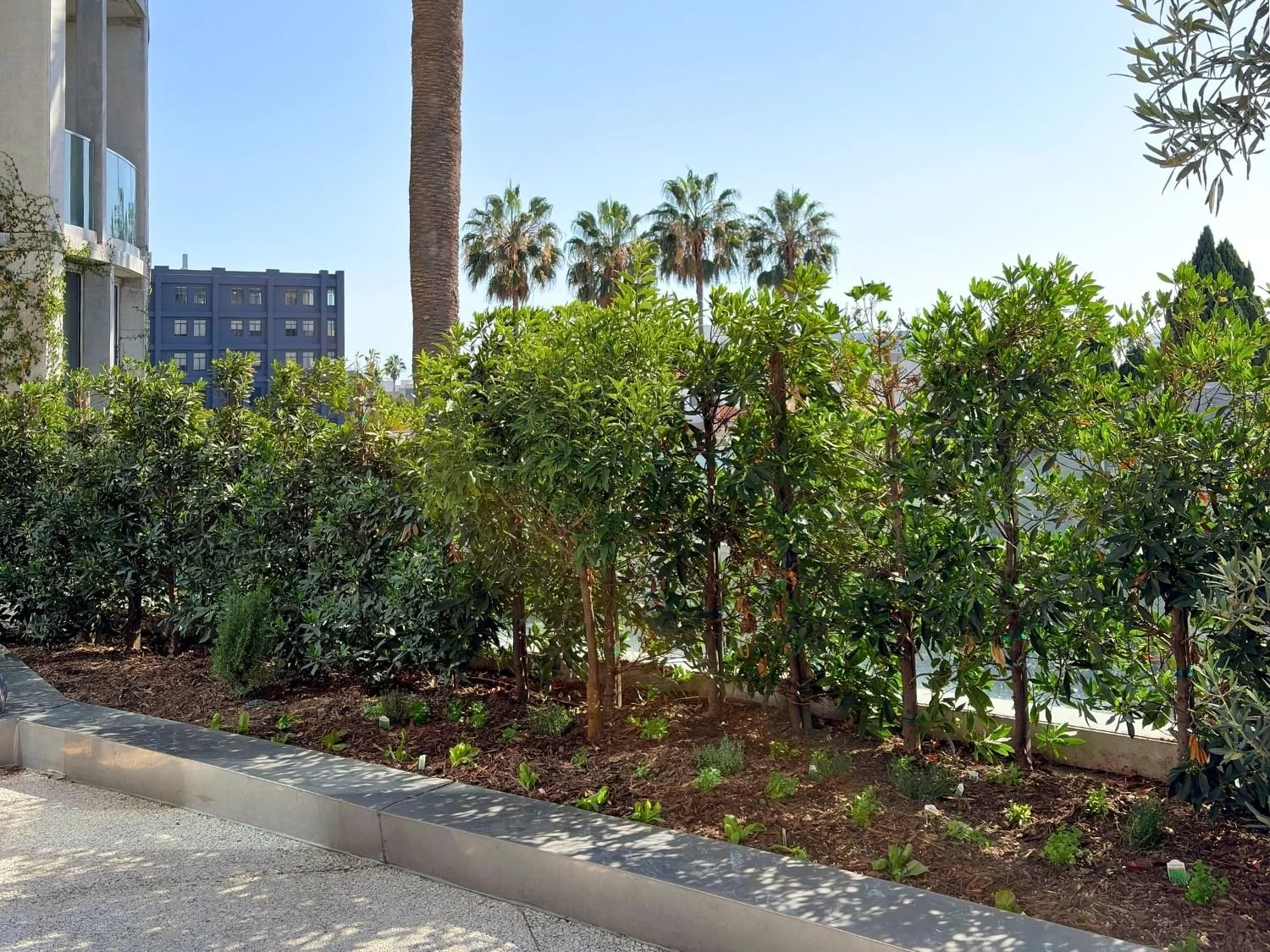
SANTA MONICA PROPER, CALIFORNIA
A week before the conference, we wrapped up the new edible garden at the Santa Monica Proper Hotel. A collaborative effort between goldenco and Crop Swap LA, an urban farming organization, we converted an existing ornamental garden bed into the chef’s wishlist for the kitchen and bar.
The Proper Hospitality brand has been a leader in wellness real estate design and spa offerings, and they double-downed on the lifestyle when they launched the Proper Club membership in 2025. Members get access to design-forward fitness centers and sanctuaries with high-end gym and recovery equipment, daily studio classes, various saunas, cold plunges, and lounges stocked with homemade snacks and tea. An onsite culinary garden program was the missing piece to round out the focus on health.
While goldenco doesn’t have a physical home yet, I’m bringing its vision to life through pop-ups and collaborations with other spaces.
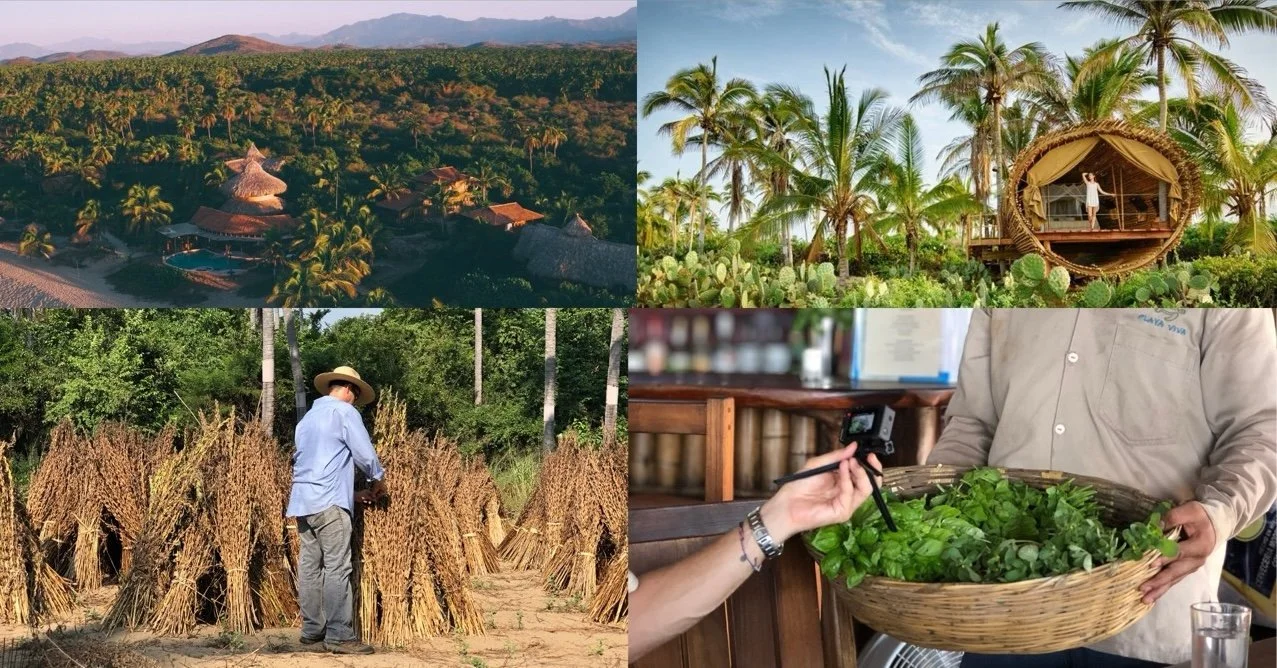
PLAYA VIVA, JULUCHUCA, MEXICO
There are many eco-hotels in the world, but not many stewards.
I was introduced to Playa Viva in 2017 and was in awe at their ecological programs to restore the 200 acres along the Pacific coast including agroforestry, permaculture, farming, and wildlife protection. With a regenerative framework approach, the owners identified, supported, and created initiatives to elevate the needs of people who lived in nearby towns, including skill development, career opportunities, education, and health.
From the outside, guests would see creative villa and treehouse designs and a stunning yoga pavilion for their retreats. But pull back the curtain and it was a true masterclass in environmental and social impact. Playa Viva was the nucleus for us launching a curated collection of regenerative resorts.
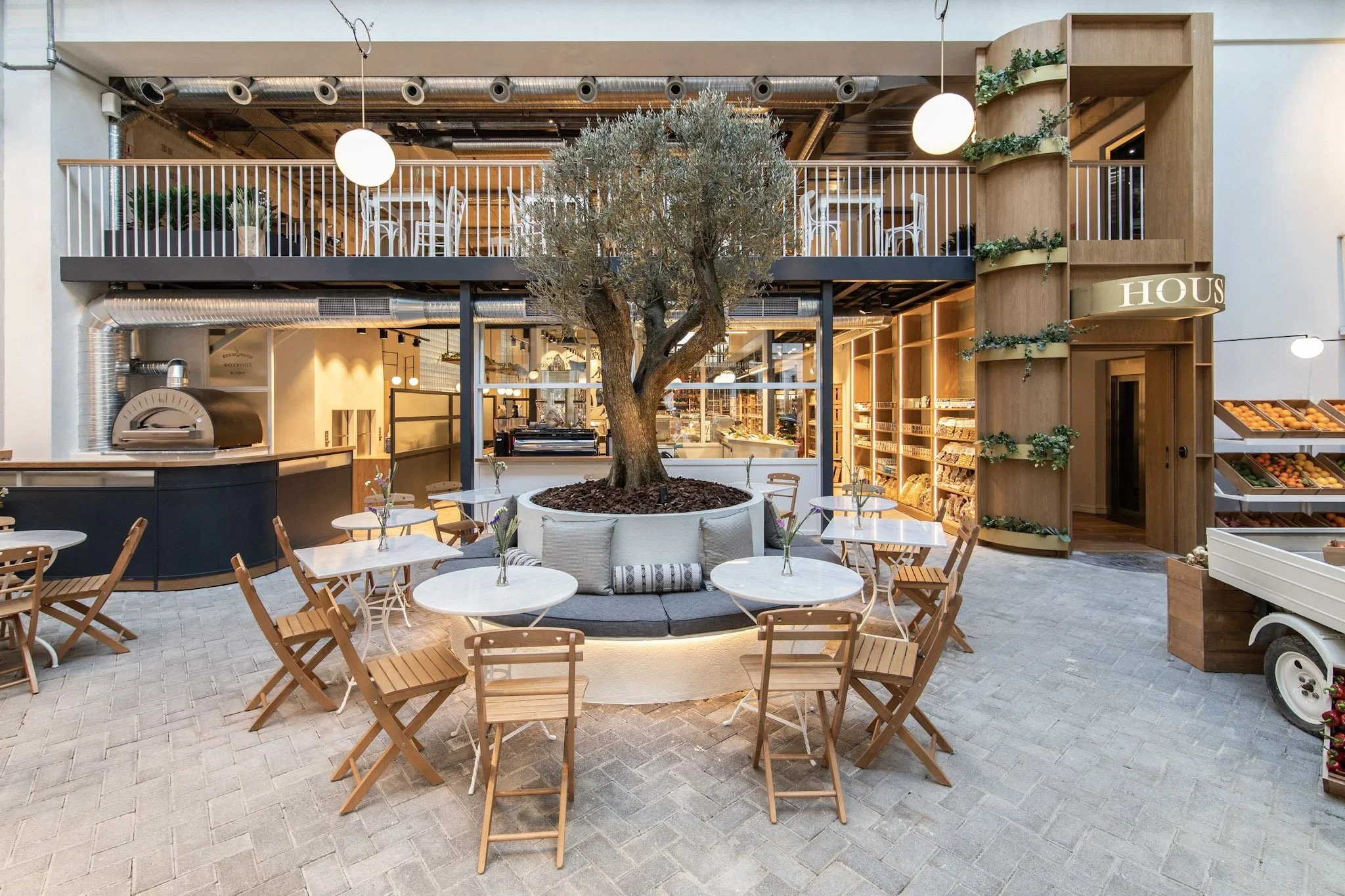
ERGON HOUSE, ATHENS, GREECE
I found a foodie hotel this summer and had to check it out.
Ergon House in Athens created a large marketplace with farm stands, deli counters, a bakery, pizza oven, seafood monger, and aisles of supermarket goods and artisanal kitchenware. The two-level restaurant and bar with meant guests can enjoy all the delicacies right on site.
The hotel is a curator, working with small producers across Greece and packaging things up into beautiful retail items that sell at the hotel and their airport outpost. There was even a kitchen for cooking classes.
I assumed all the effort would have went into the food and beverage offerings, but I was mistaken. The rooms had me ouu-ing and ahh-ing, and the rooftop terrace in front of the acropolis was as charming as it sounds. With only one night to stay, and Greek food being my favorite cuisine, I need to go back, for “market research” purposes.
Basic consumption has lost its pull
When the panel was asked, “What’s quietly losing its pull?” my take was that sitting, eating and drinking is fine, we already do that every day, but people want to learn and do things!
Workshops
Culinary tastings and tours
Experiential retail
Using our hands and all of our senses
Skift reported that travelers will pay ~ 40% more for distinctive local experiences.²
Great hotels know that. It’s why programming has gone from a simple hired DJ to full event production. Hotels can be the source for local experiences or the trusted liaison to the neighborhood, just like a helpful concierge has always done.
93% of premium spenders are interested in non-traditional stays for unique, immersive, and local experiences.
In the business of curating people
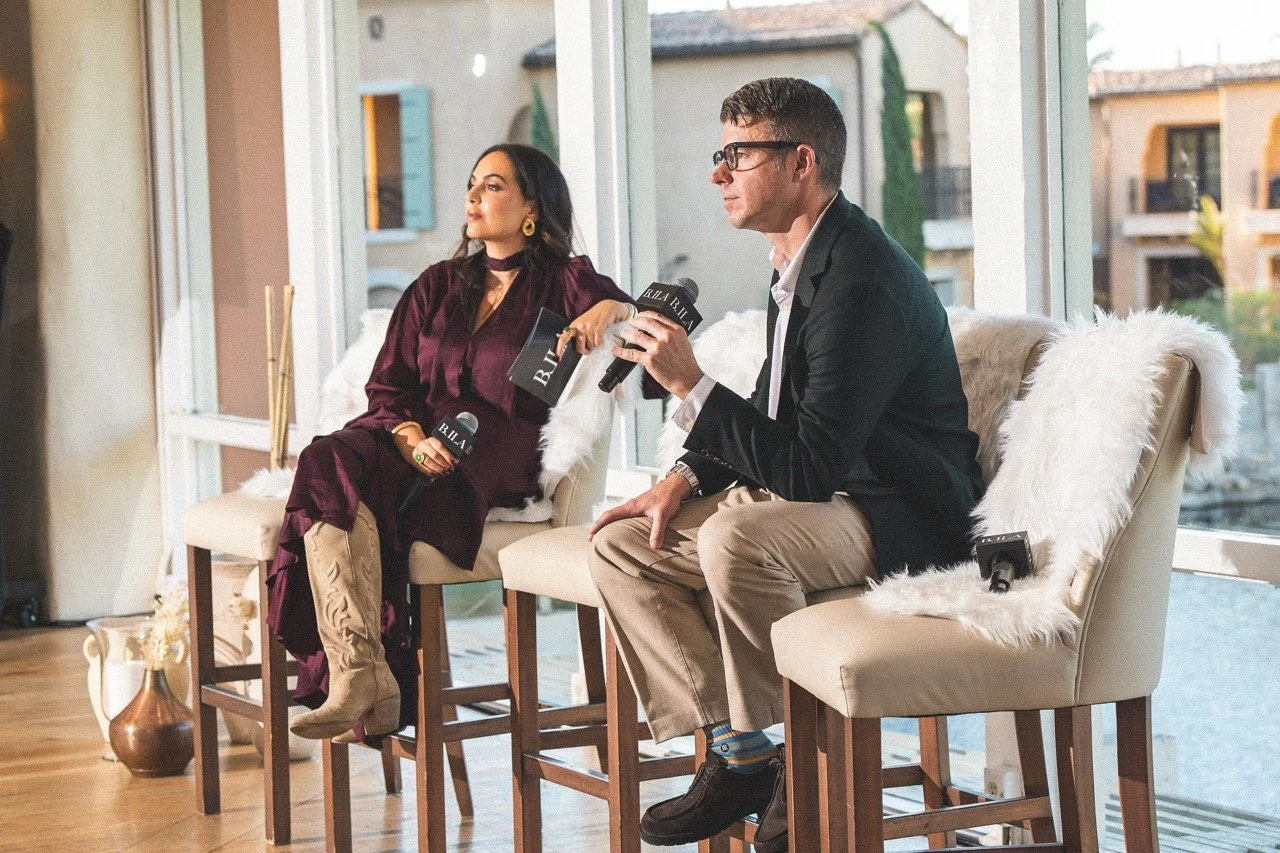
Interesting people tend to bring other interesting people together.
Jess Wilner, COO of San Vicente Clubs, spoke about curating wonder and the role membership plays in that. A nomination from an existing member gets someone considered and a committee reviews each application. As he described it, the goal is a mix of backgrounds, not simply people who can afford to join. In their rooms, the people are the amenity.
People discover places through people they know or follow. With social media as the modern word of mouth, a community becomes the distribution channel.
“Luxury isn’t money, it’s access.”
—Sue Chan, Founder, Care of Chan ¹
Luxury is personal
For some guests, luxury is comfort and quiet. For others, it’s artistic design, white-glove service, or an experience they can’t get back home. Those are different guests, and one hotel can’t serve all of them equally well.
Each hotel in this article represents its own version. Proper is known for design and wellness, Playa Viva for ecology and retreats, Ergon House for local food producers, and San Vicente Clubs for who’s who in the room.
At goldenco, I’m choosing participation in local food culture, which for guests looks like:
Learning to cook a regional staple from a grandmother, not a blog
Supporting a chef you follow online at their first ever pop-up
Playing in a garden and harvesting your favorite garnish
Buying a handmade something from someone you chatted with over coffee in the marketplace
Whichever direction a hotel picks, it has to last. The programs need to be financially sustainable and delivered daily. For goldenco’s model, equitable participation is key because diversity requires accessibility. Connection between cultures is what inspires goldenco to exist, so entry will not be private or exclusive.
I’m evaluating hotel and motel sites in Los Angeles. If you know an owner who might be open to a conversation, I’d appreciate an introduction.
And if you have your own definition of the new luxury, feel free to share your thoughts with me.
—Jennifer
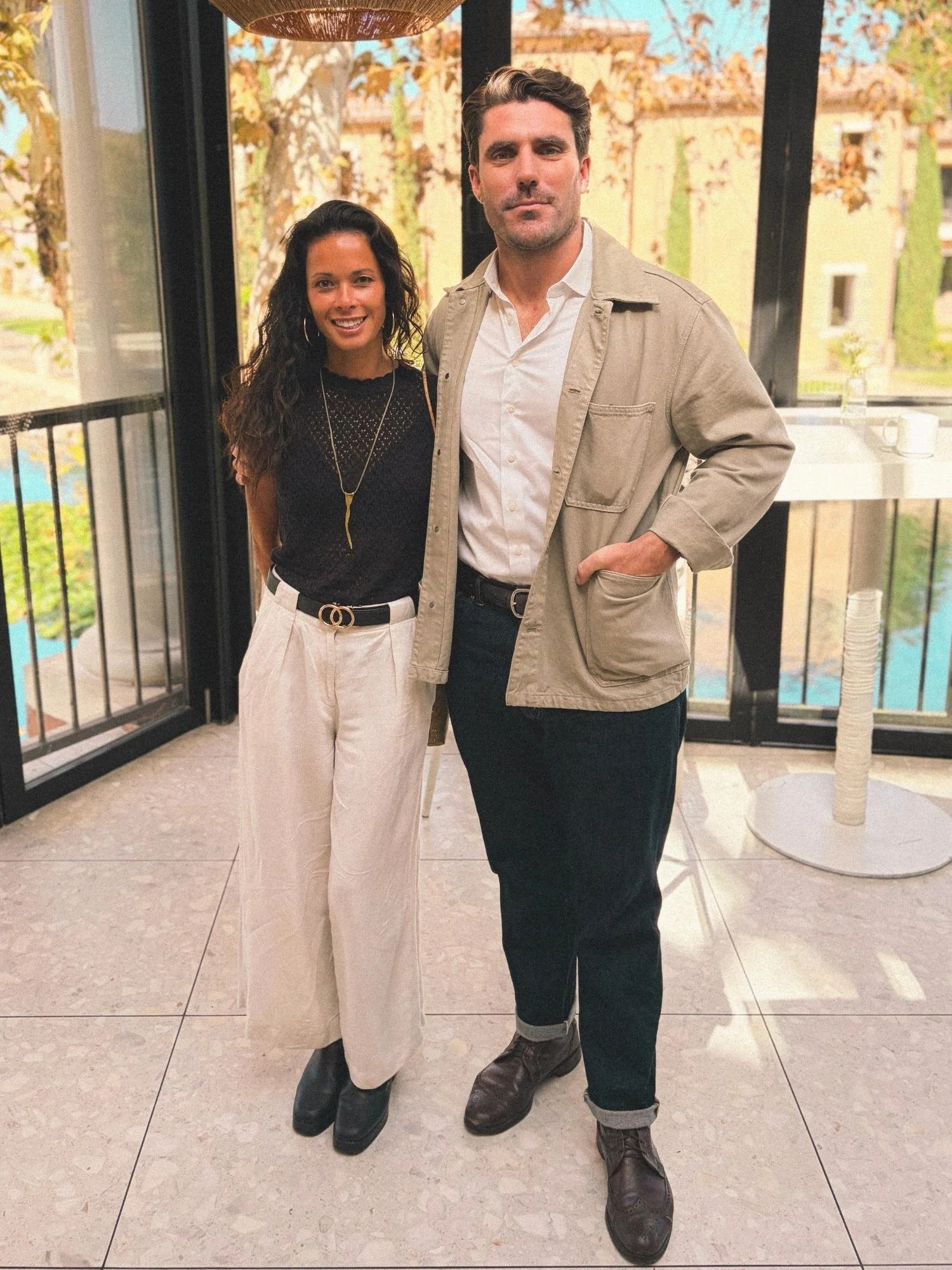
Ran into my friend, Venice neighbor, and fellow regenerative ag. advocate Oliver English who spoke on a panel about better food systems.
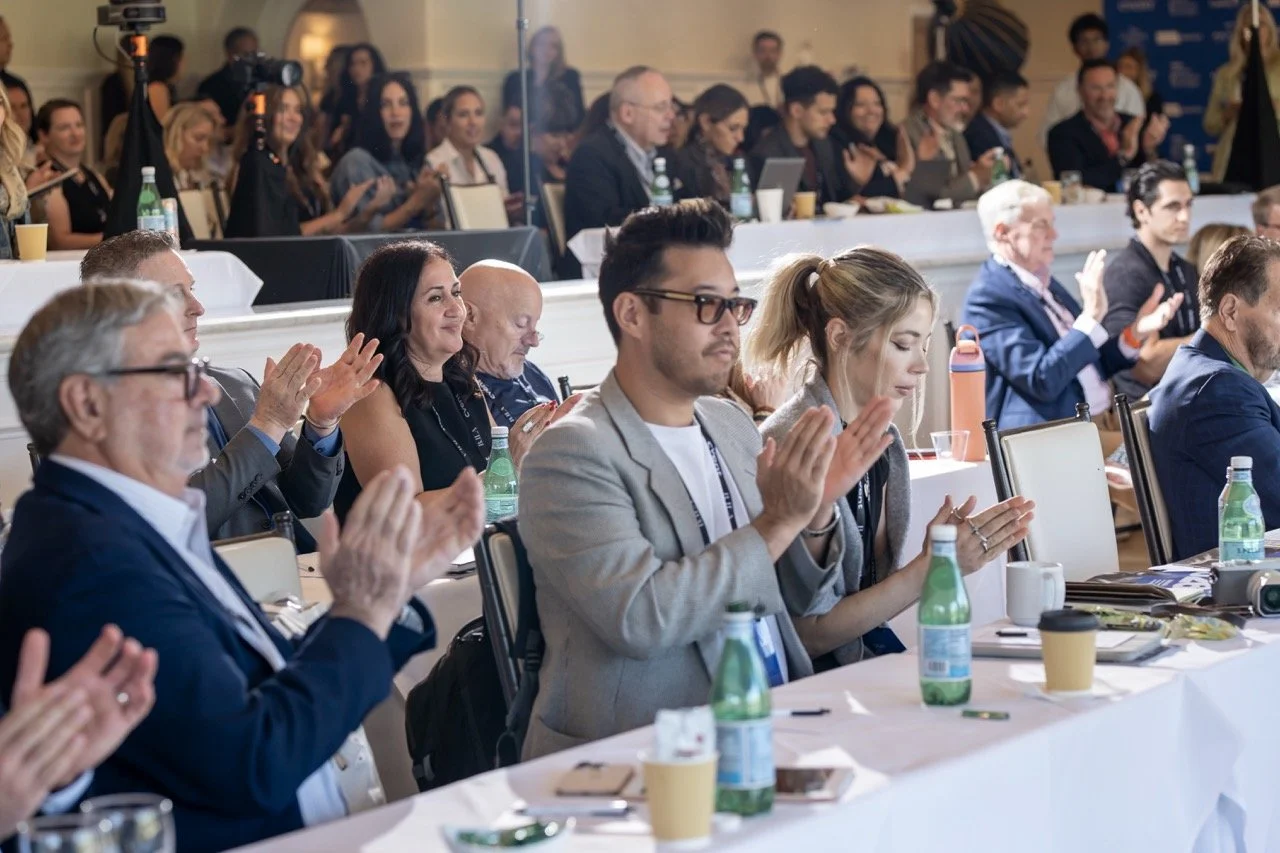
The sessions were candid, a true convening to share the good, the bad, and the ugly from various roles in the industry.
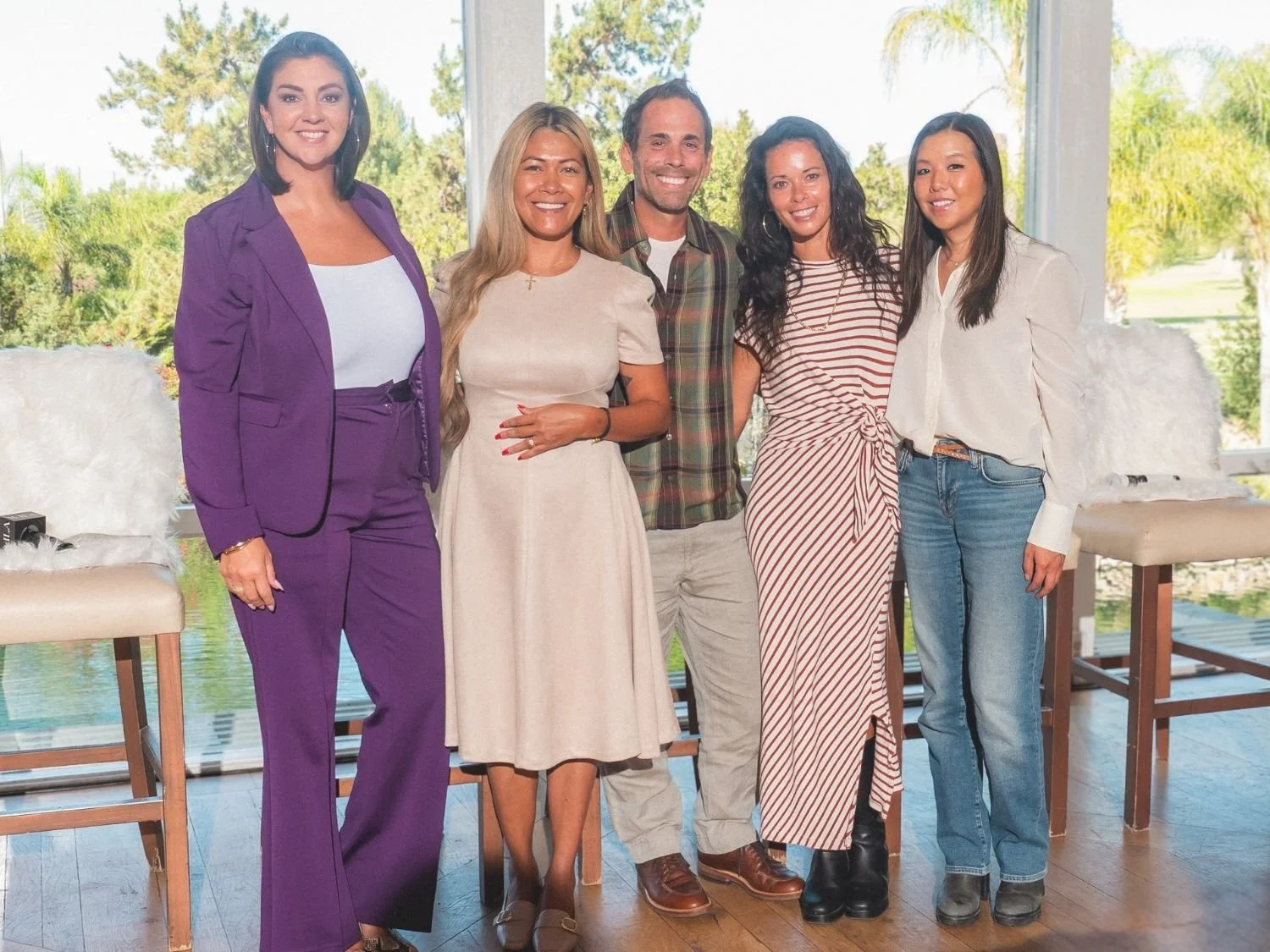
Thank you Hya for bringing us together.
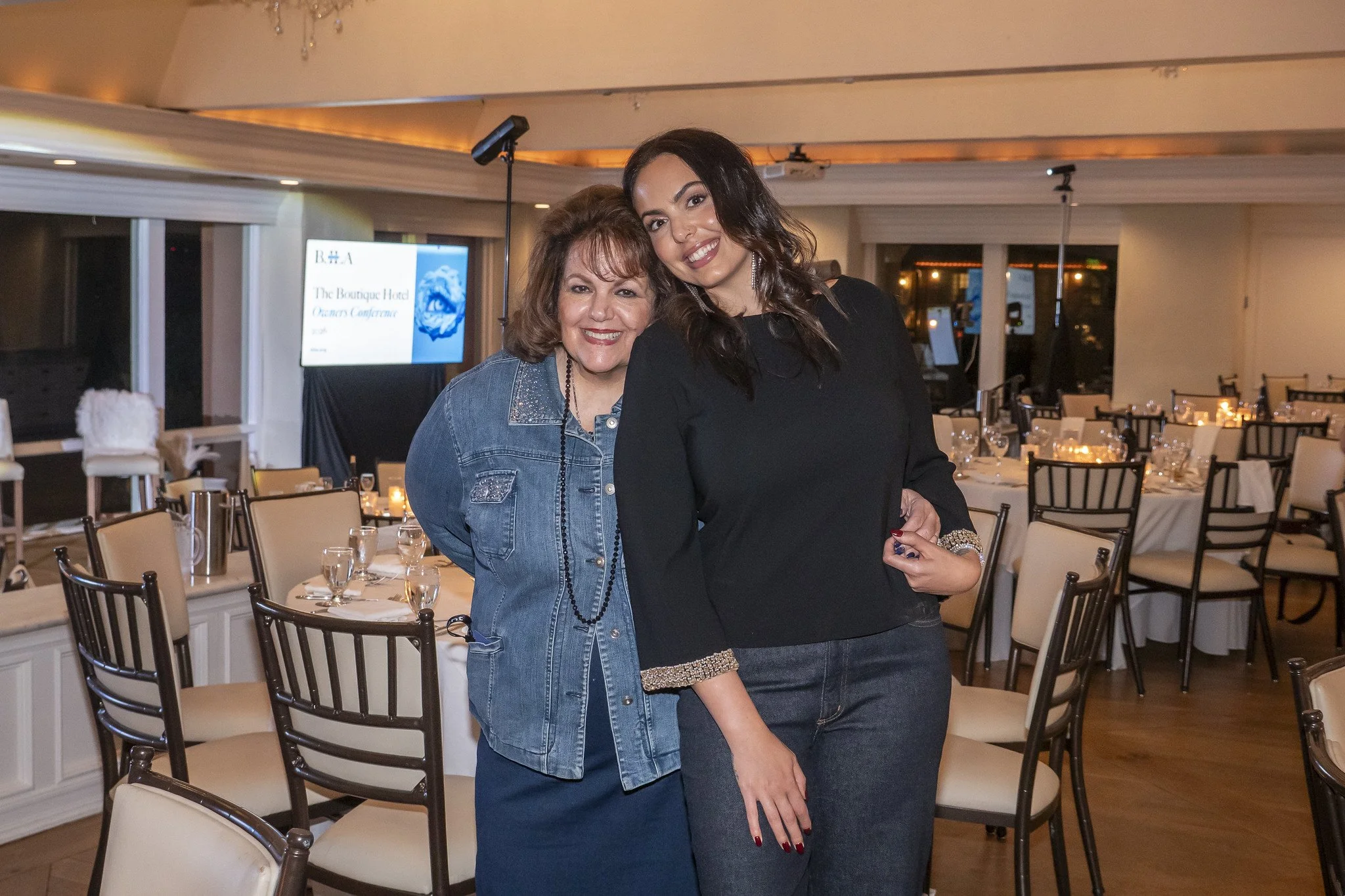
Mother and daughter duo Frances and Ariela Kiradjian runs Boutique & Luxury Lodging Association (BLLA).