
The silver lining of jet lag is waking up unusually early and being productive before the world around me gets rolling. I started journaling in my notebook I thought hey, why don’t I move these thoughts to the website for a change. So here I am.
I feel rejuvenated not because I slept much, but because I did my favorite things on repeat: savoring flavorful food & swimming in beautiful water.
I have recurring dreams of frolicking in warm turquoise seas with soft sand. But food is the reason why I’m documenting this trip. I’ve often said Greek is my favorite cuisine (if I had to pick just one), and this vacation solidified my decision.
Bear with me while all the images load…
Kalimera
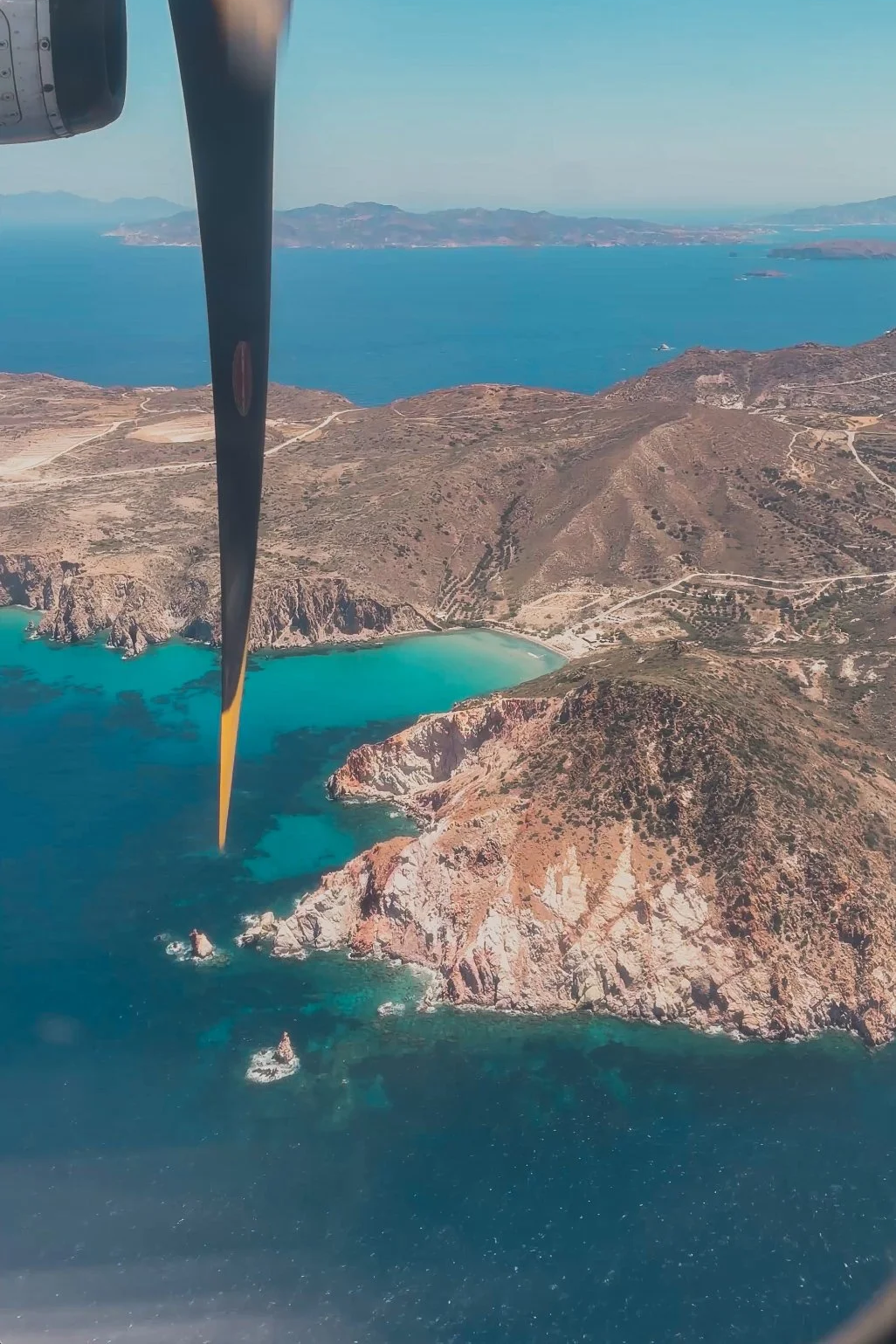
The view flying into Milos 😍. Usually I plan my trips starting at an urban city first, then progressively migrate towards laid back beachy coasts. But I was so eager to arrive at an island known for 60 beaches, it was worth the 3-flight journey and all-nighter to drive straight to a stunning cove.
How does their food taste SO good?!
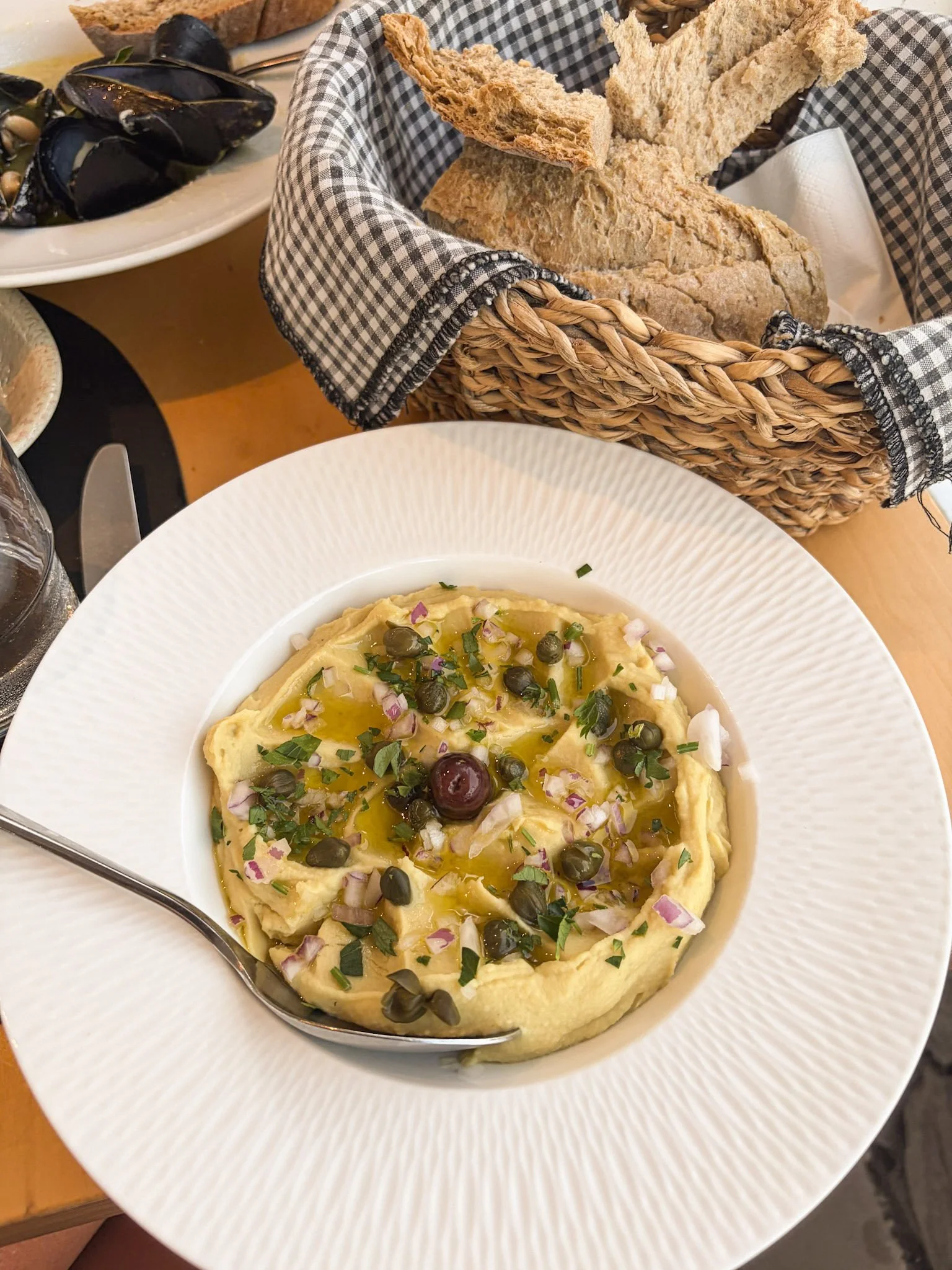
I've yet to find authentic Greek fava at any restaurant outside of Greece. The thick dip is made from puréed yellow splits peas and served warm.
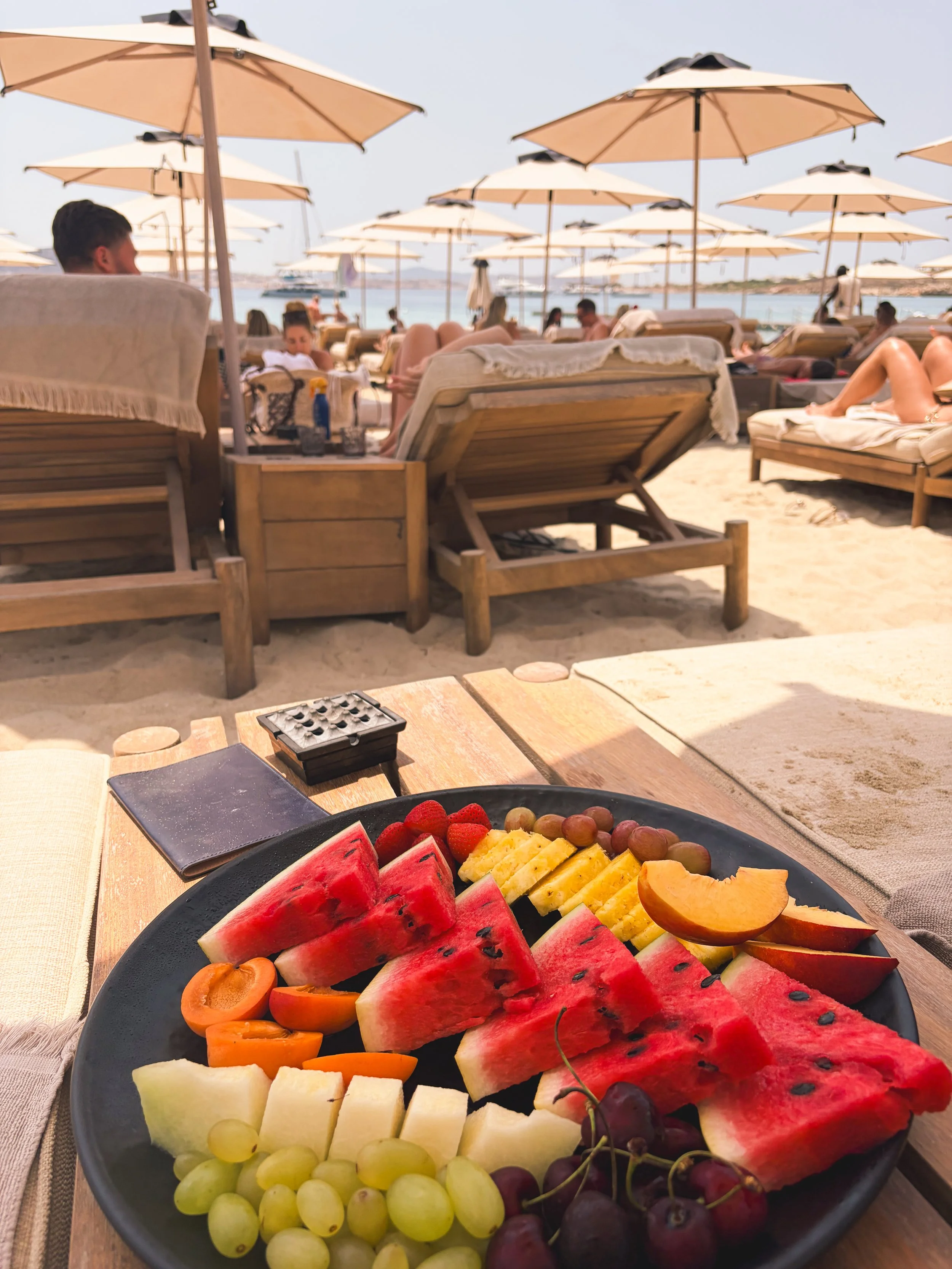
Melons are grown across Greece and it was peak watermelon season – an ideal juicy beach snack.
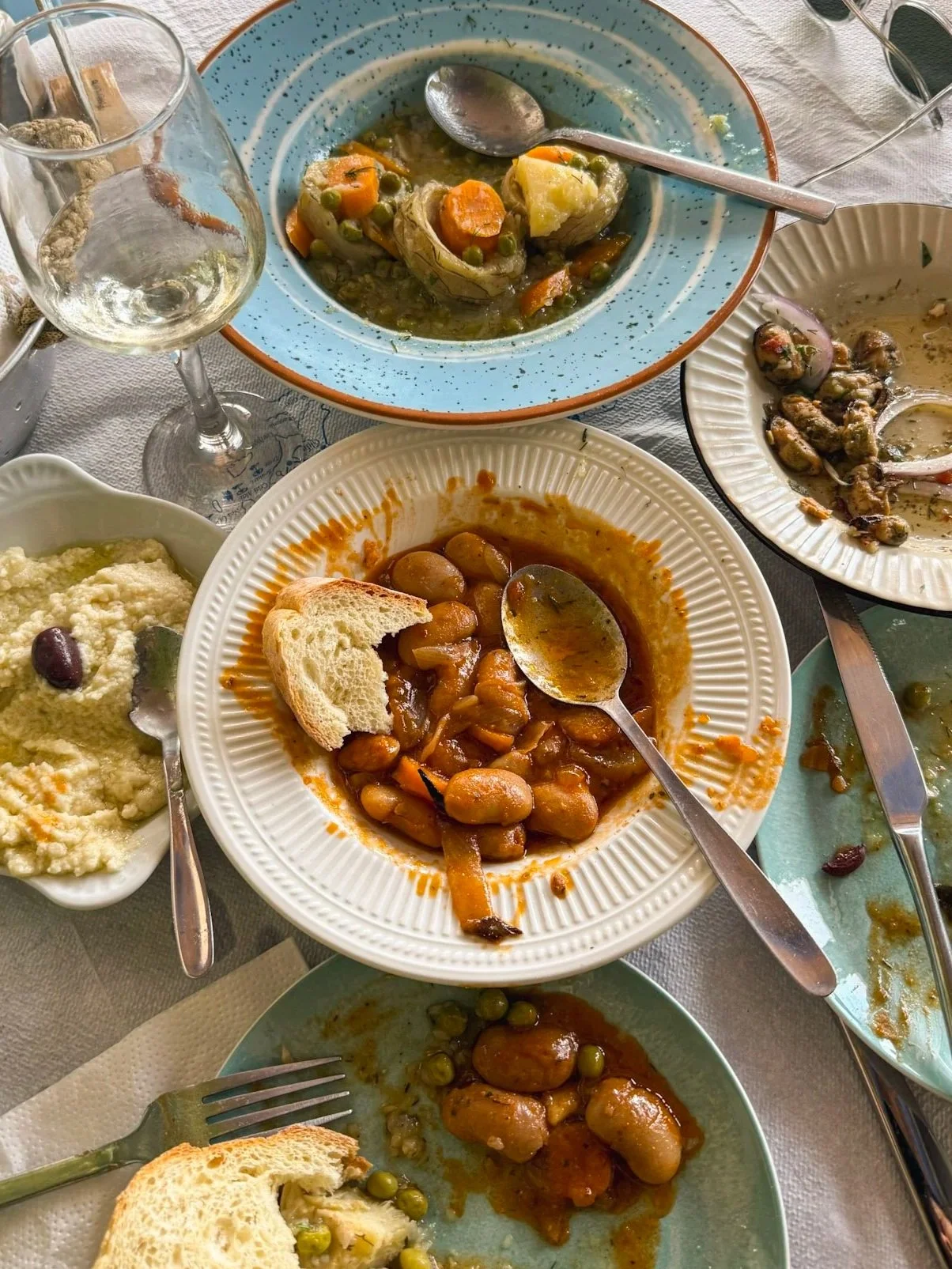
I searched and taste-tested all the gigantes plaki (beans baked in tomato sauce) – my favorite was at Bountaraki in Paros.
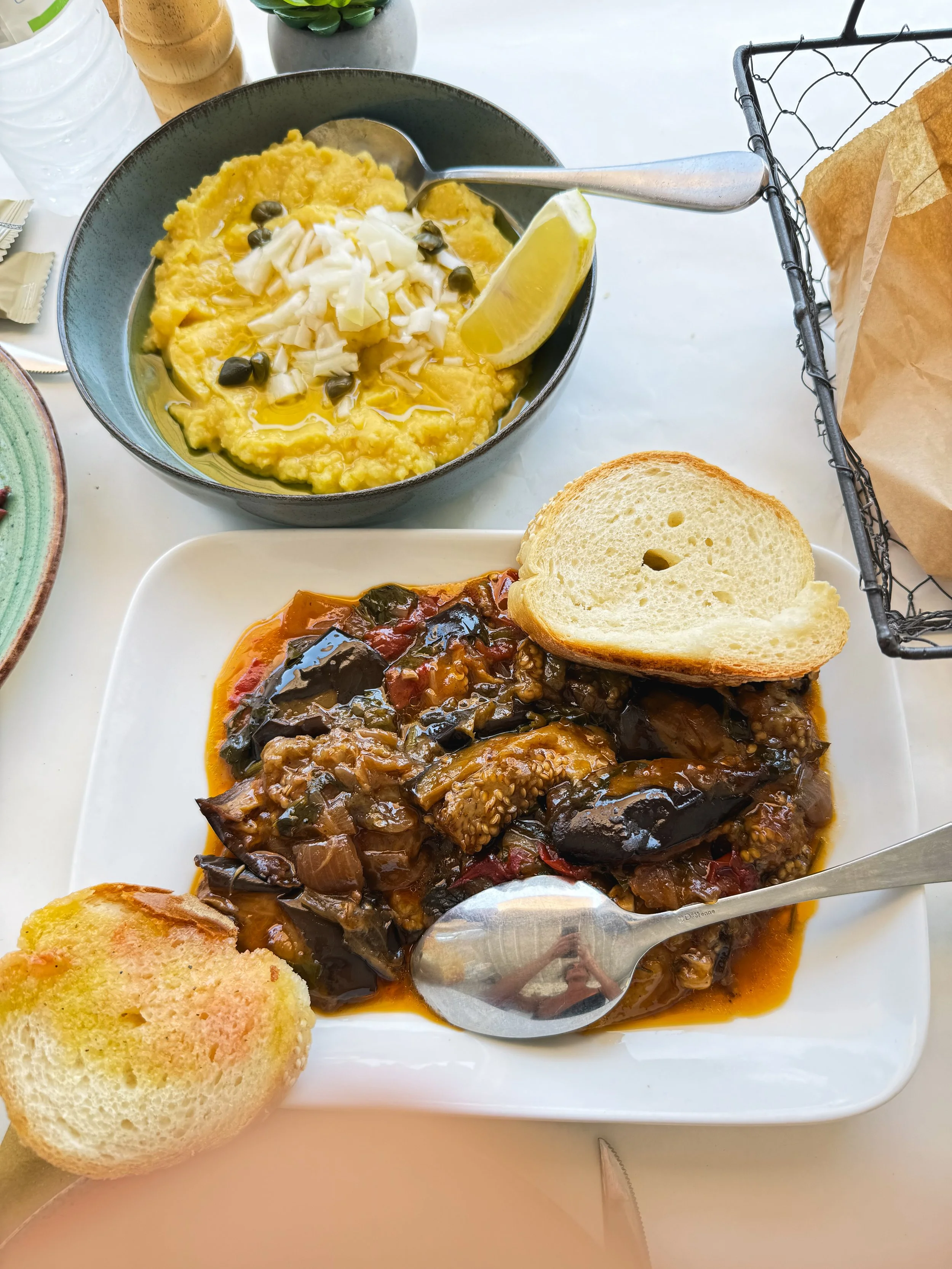
Still drooling over this tender eggplant, slow-baked and rich with caramelized onions, tomatoes, olive oil, and cinnamon.
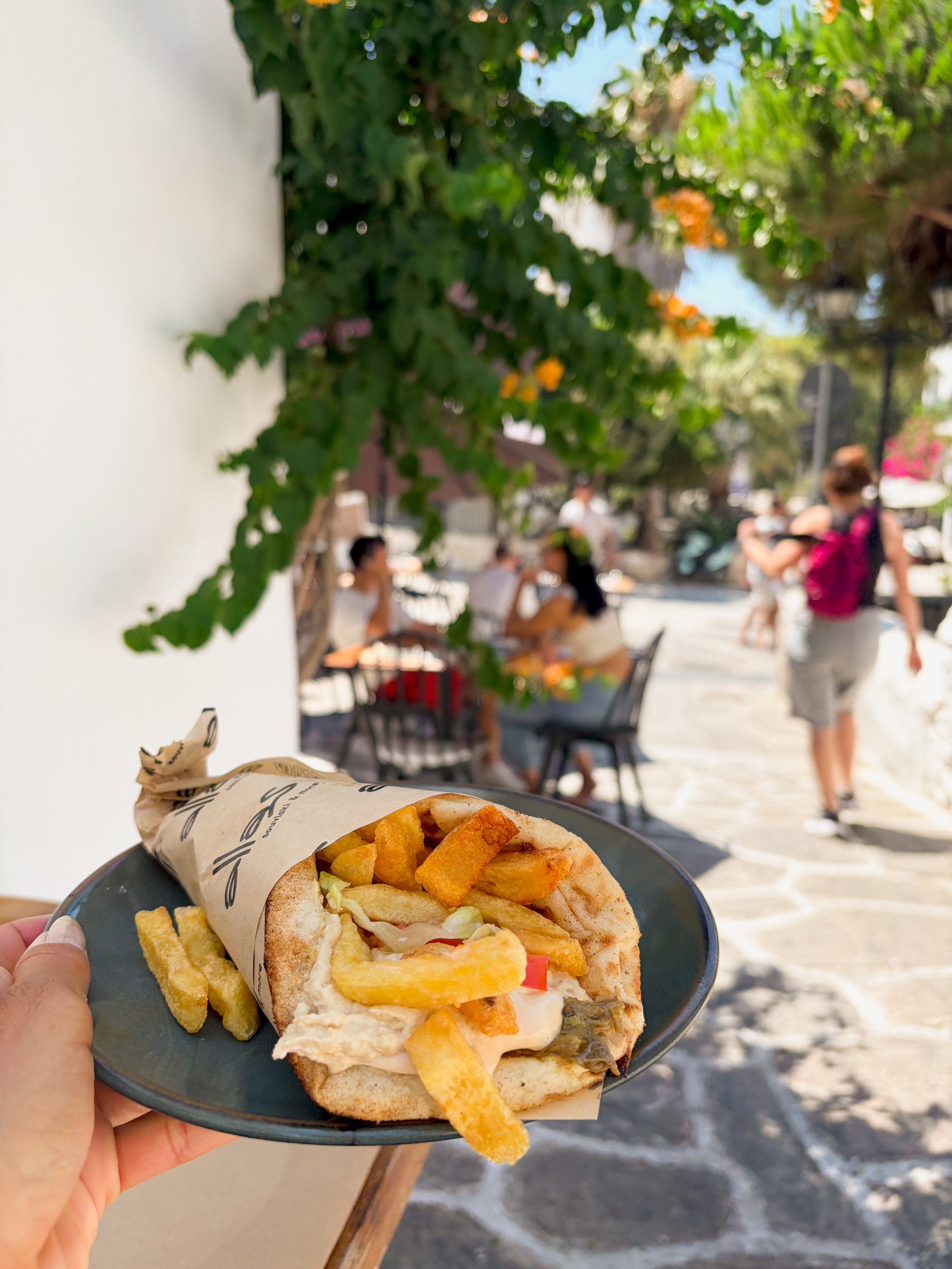
My first stop in Paros: I ran to Alla Souvlaki because I heard they made oyster mushroom gyros. I know all you see are the fries but inside was 10/10.
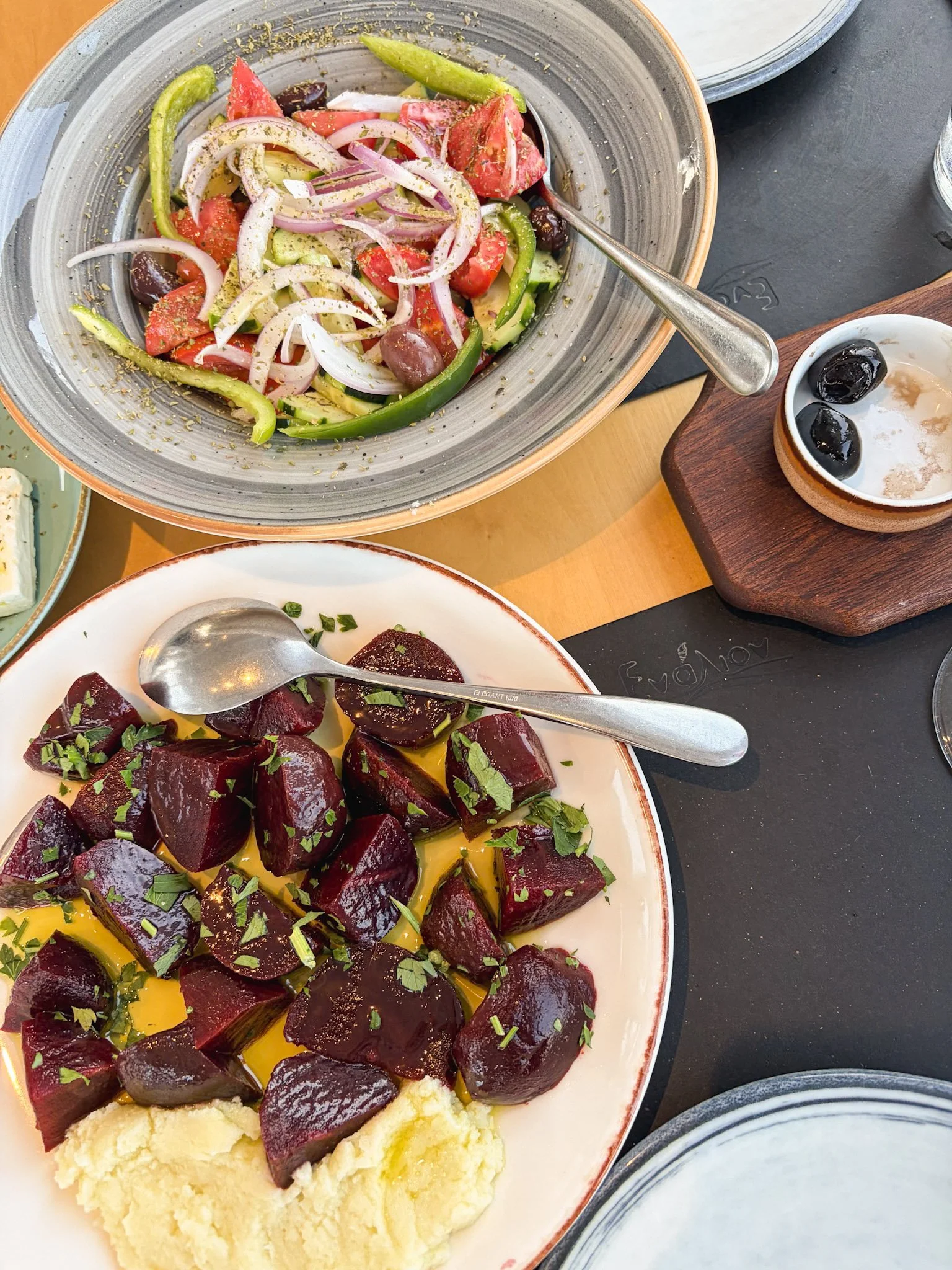
Enalion is a family restaurant who promotes growing all their vegetables and using only olive oil to cook. Everything was rich in flavor, significantly better than the neighboring seaside tavernas in Pollonia, Milos.
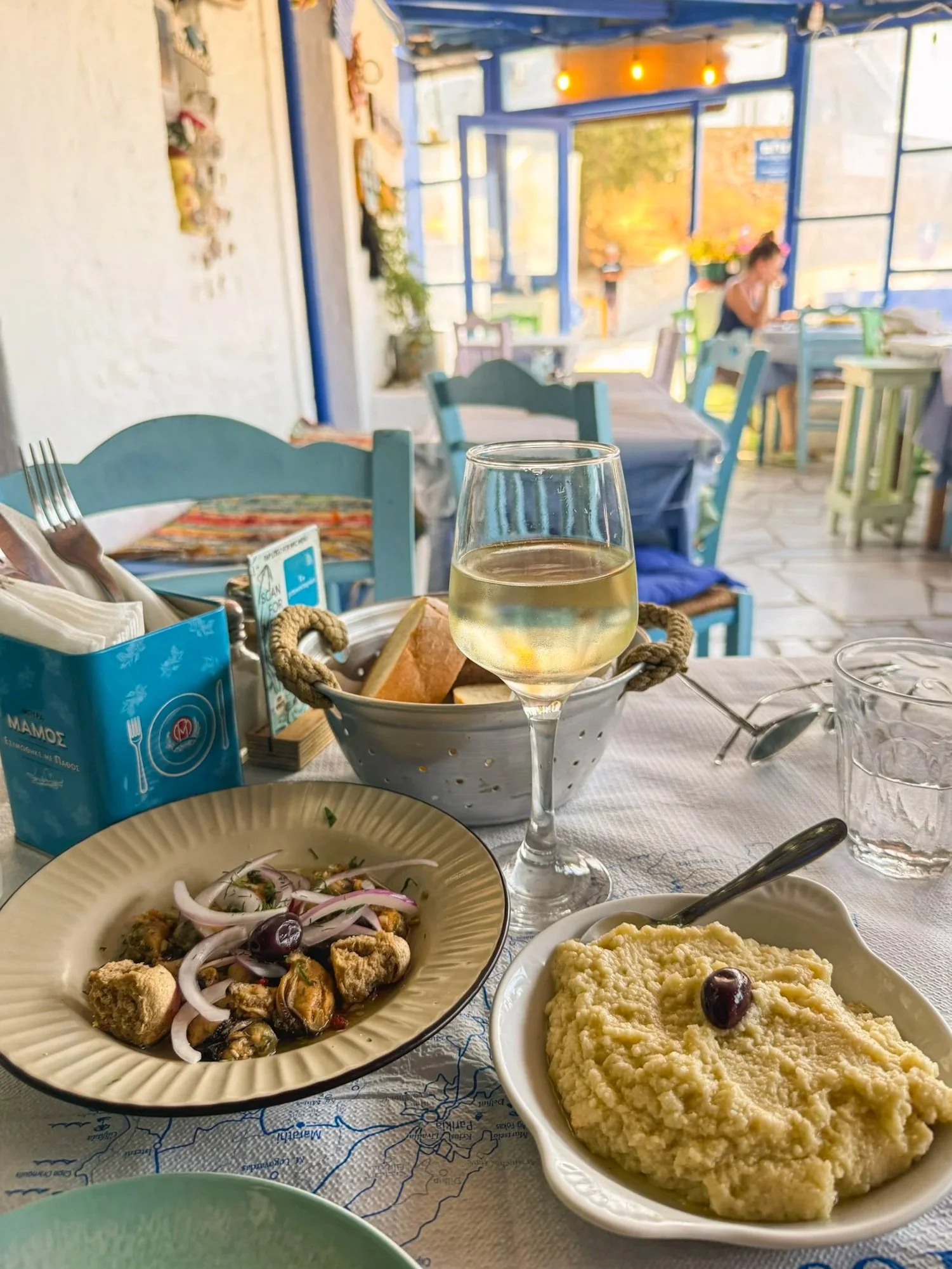
Skordalia is a filling garlicky dip thickened with potatoes. As for the mussels, how many are too many? I ate them daily.
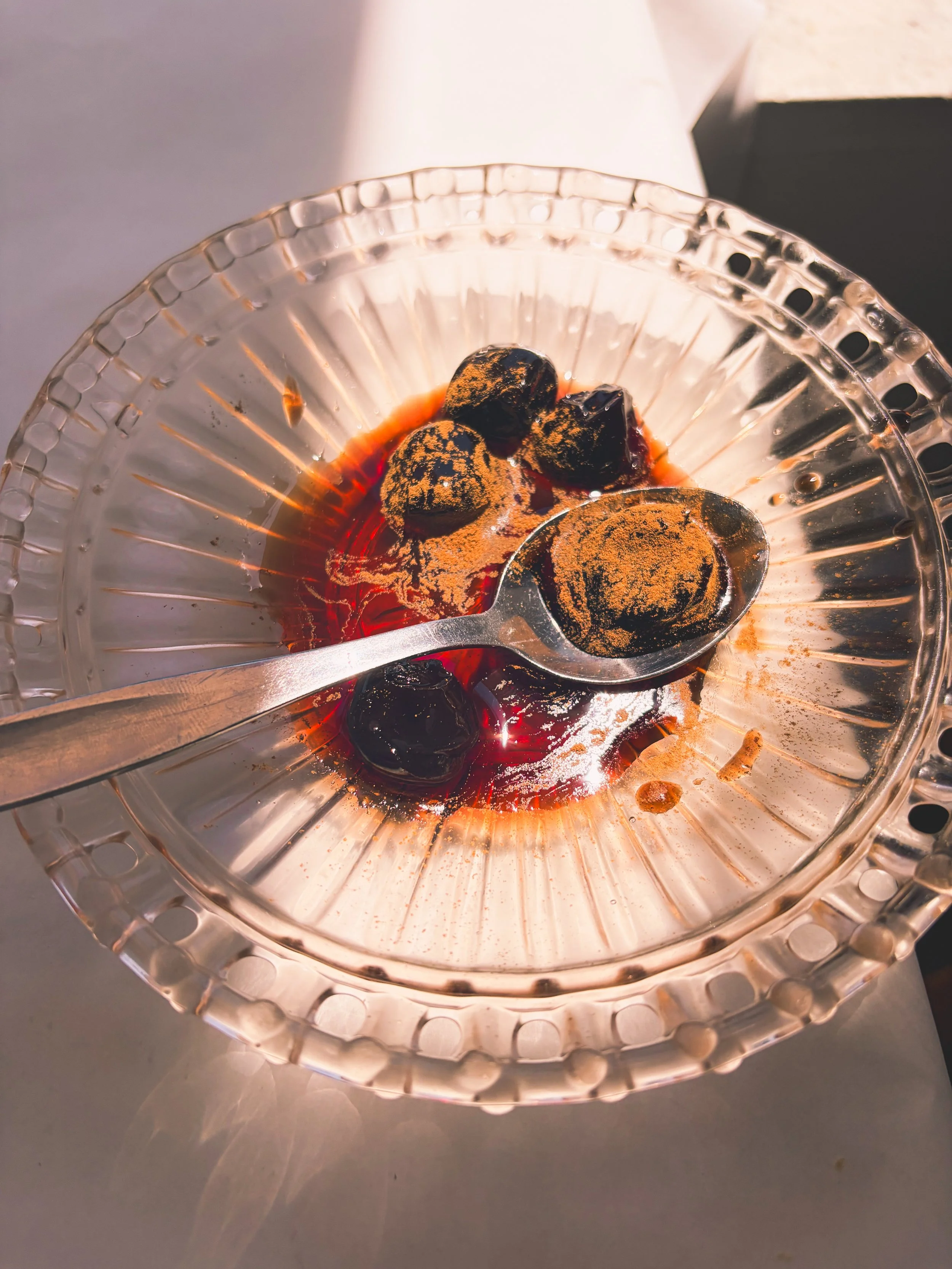
Many restaurants offer a complimentary sweet treat at the end of the meal. Loved these sour cherries in syrup with cinnamon.
Stress concentrates flavor.
I was wondering how agriculture worked on these islands, since the land and soil was obviously dry and the climate was arid. I didn’t get a chance to tour a working farm so I turned to Claude AI for research:
Greek agriculture, across different geologies, keeps landing on the same move: rocky, dry, unirrigated land, treated as an asset instead of a problem to fix.
Milos & Santorini — the volcanic version of it. The soil is actually poor in basic minerals, alkaline, high in sodium, which pulls moisture straight out of the air since it barely rains. No irrigation, no richness, just plants adapting to real scarcity.
Paros — different geology (marble, schist, not volcanic) but same underlying logic: thin rocky soil, minimal water, small hillside plots instead of big irrigated fields. Different rock, same starvation-into-flavor principle.
Although dry farming techniques are used (out of necessity) and plants have been adapting to constrained water, drought is still a major problem. ¹
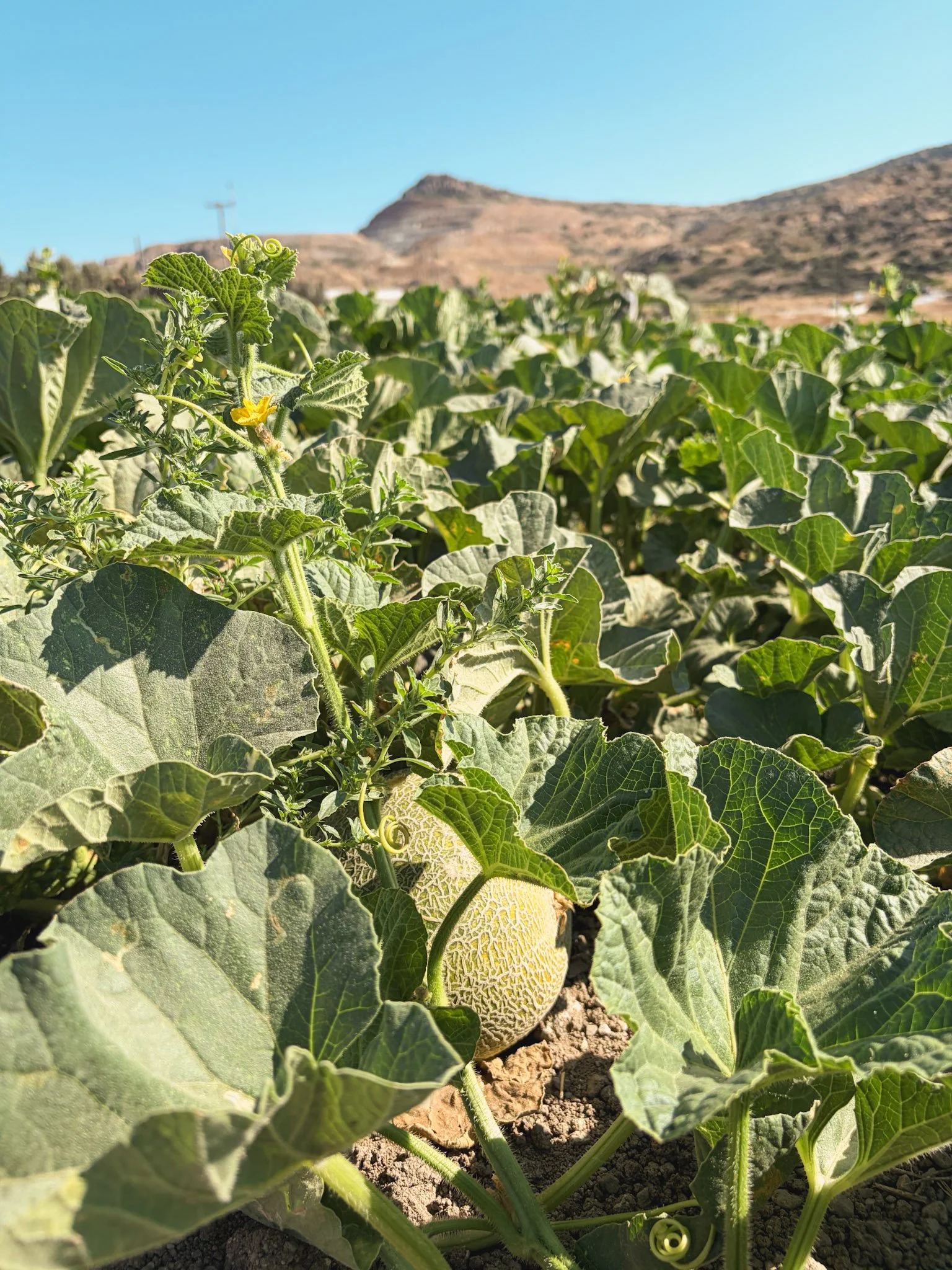
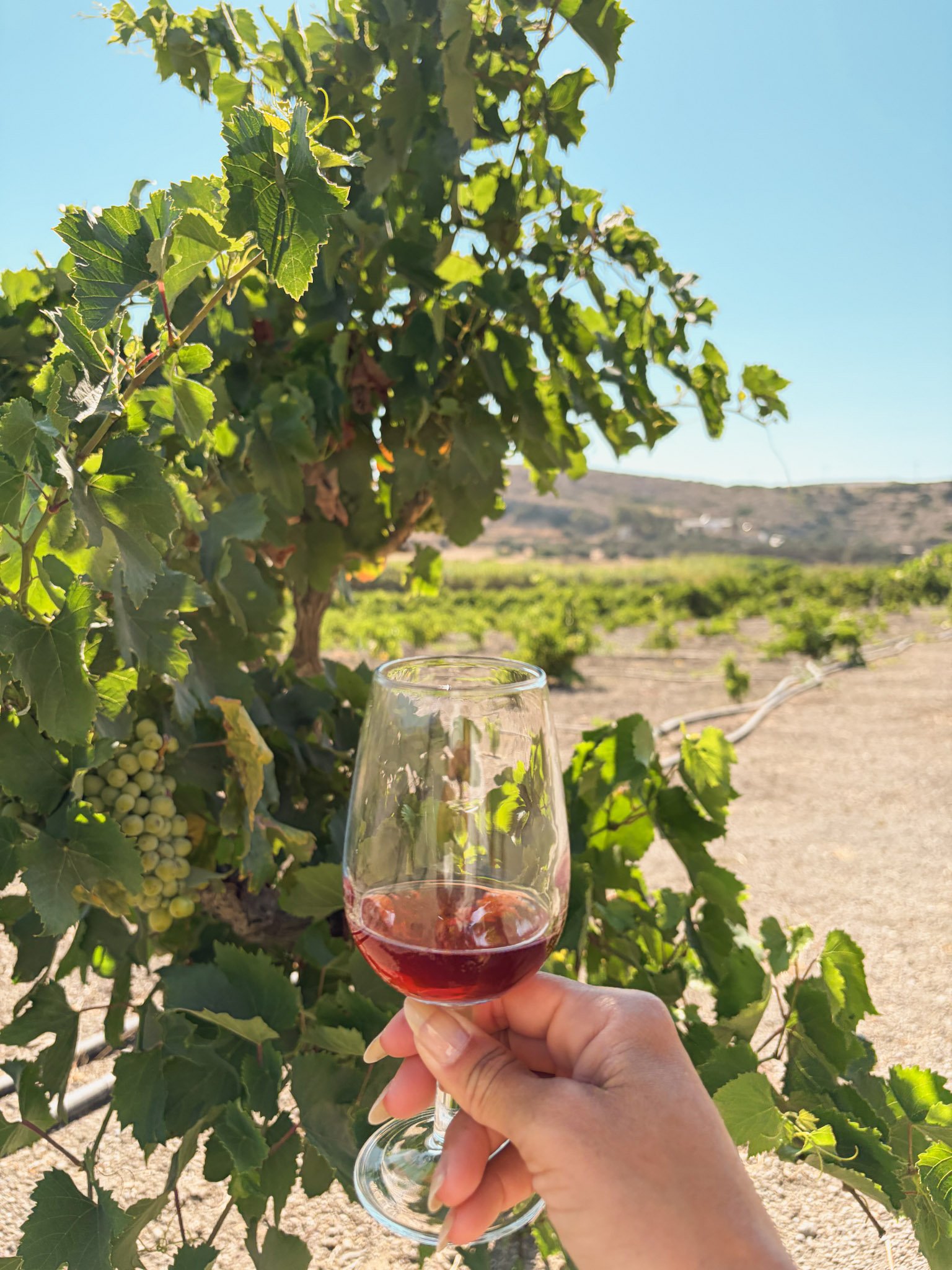
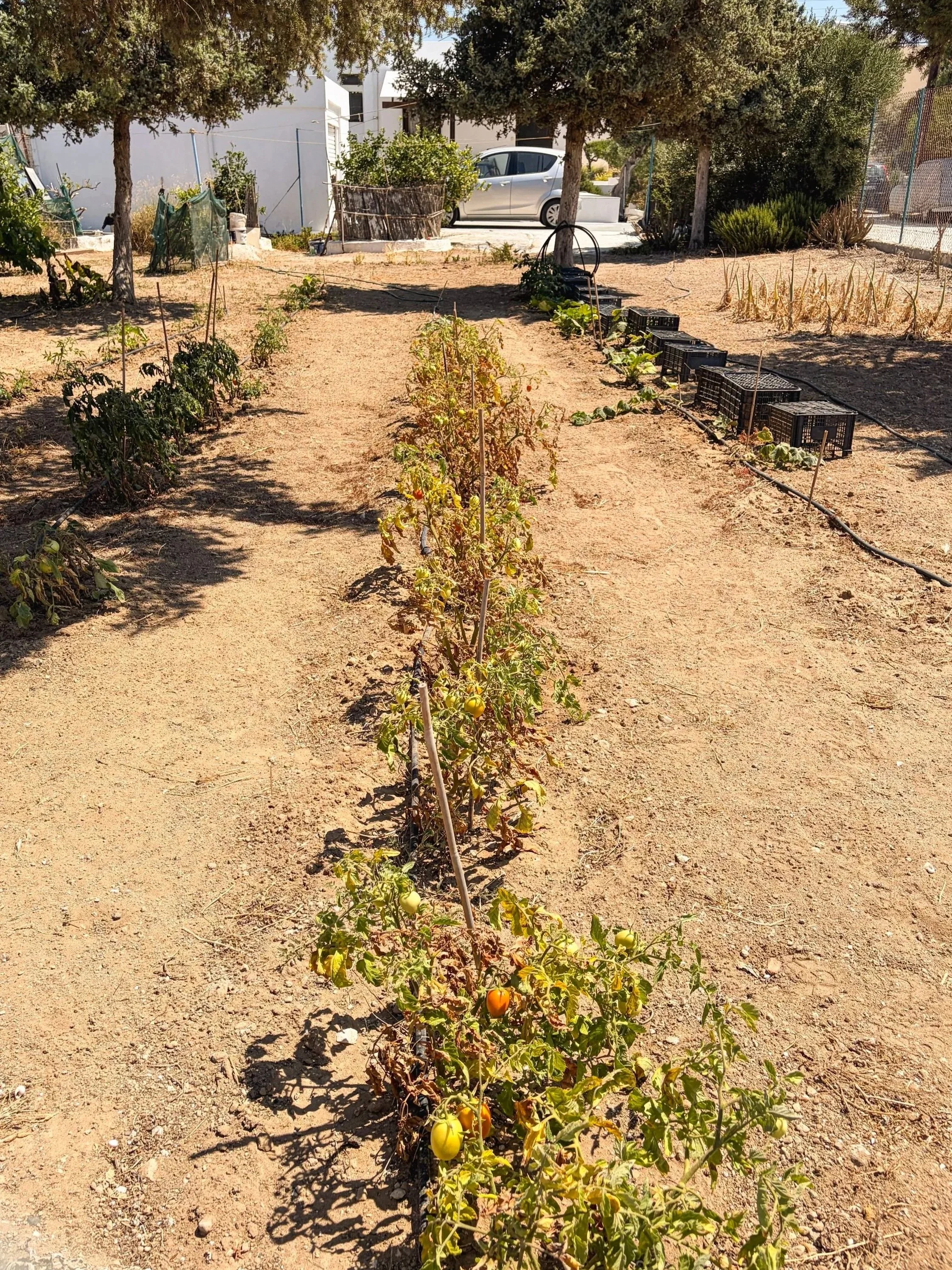
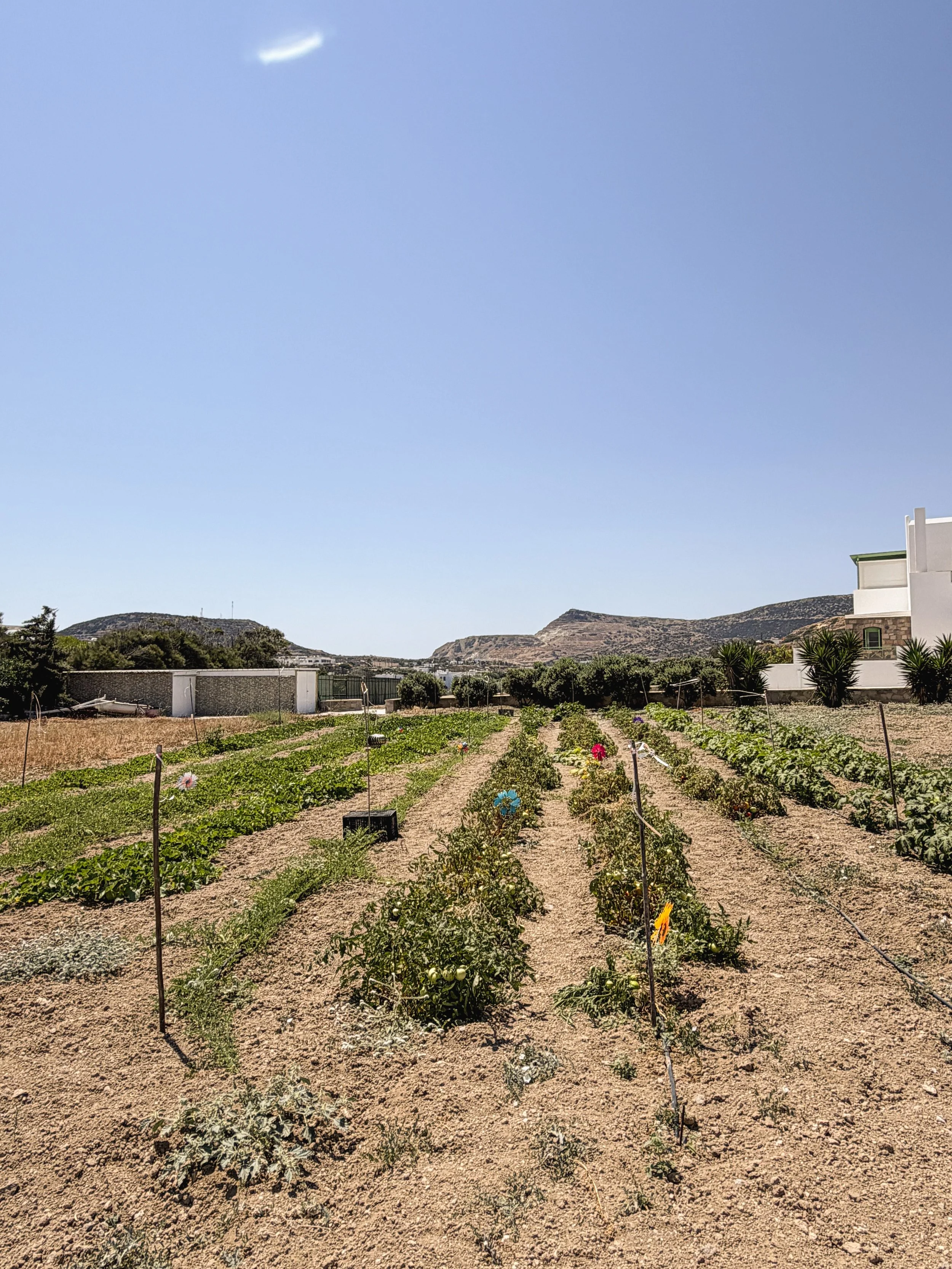
When I walked by these gardens in Milos I thought, “How dry!”
Melons and wine at Kostantakis vineyard, Milos. Yamas!
Athens Foodie Hotel
I judge what a hotel serves more than its design.
My philosophy is a hotel should introduce tourists to cultural staples. I am always annoyed when a breakfast menu caters to guests from their origin country such as serving American or English breakfasts.
Of course dishes don’t have to be strictly traditional. Chefs doing a twist or fusion is ideal. But please don’t make me skip your food so I can save room for better things elsewhere because dining onsite is part of my travel experience.
That’s why I was so excited to discover this hotel in Athens called Ergon House – a curator of Greek goods with a large marketplace and even a communal kitchen. Just like goldenco, they position themselves as a “foodie hotel.”
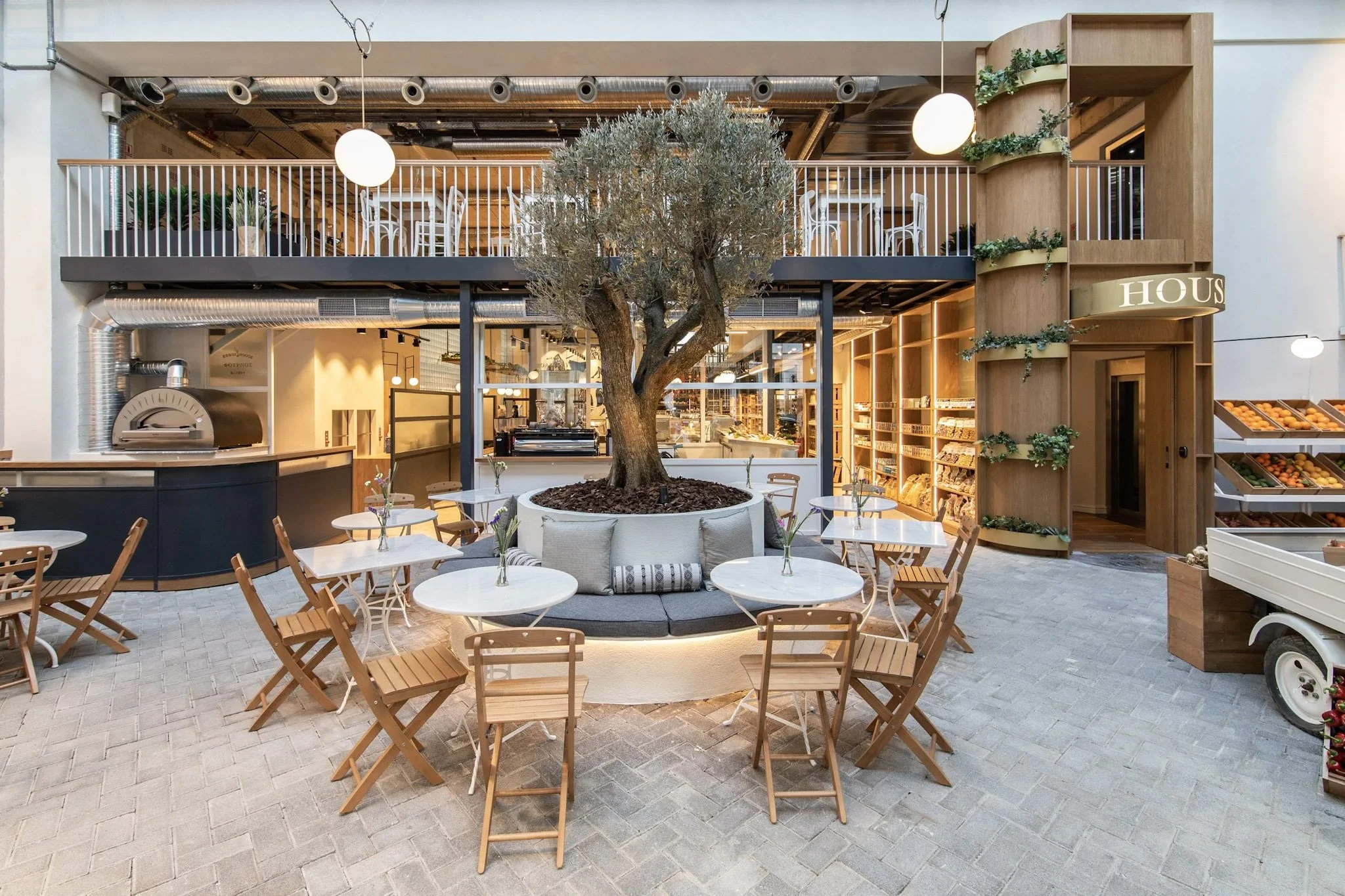
Learn all about the agora at Ergon House Athens, an atrium restaurant and market for all things Greek from fresh fruits and vegetables to deli service and handmade ceramics.
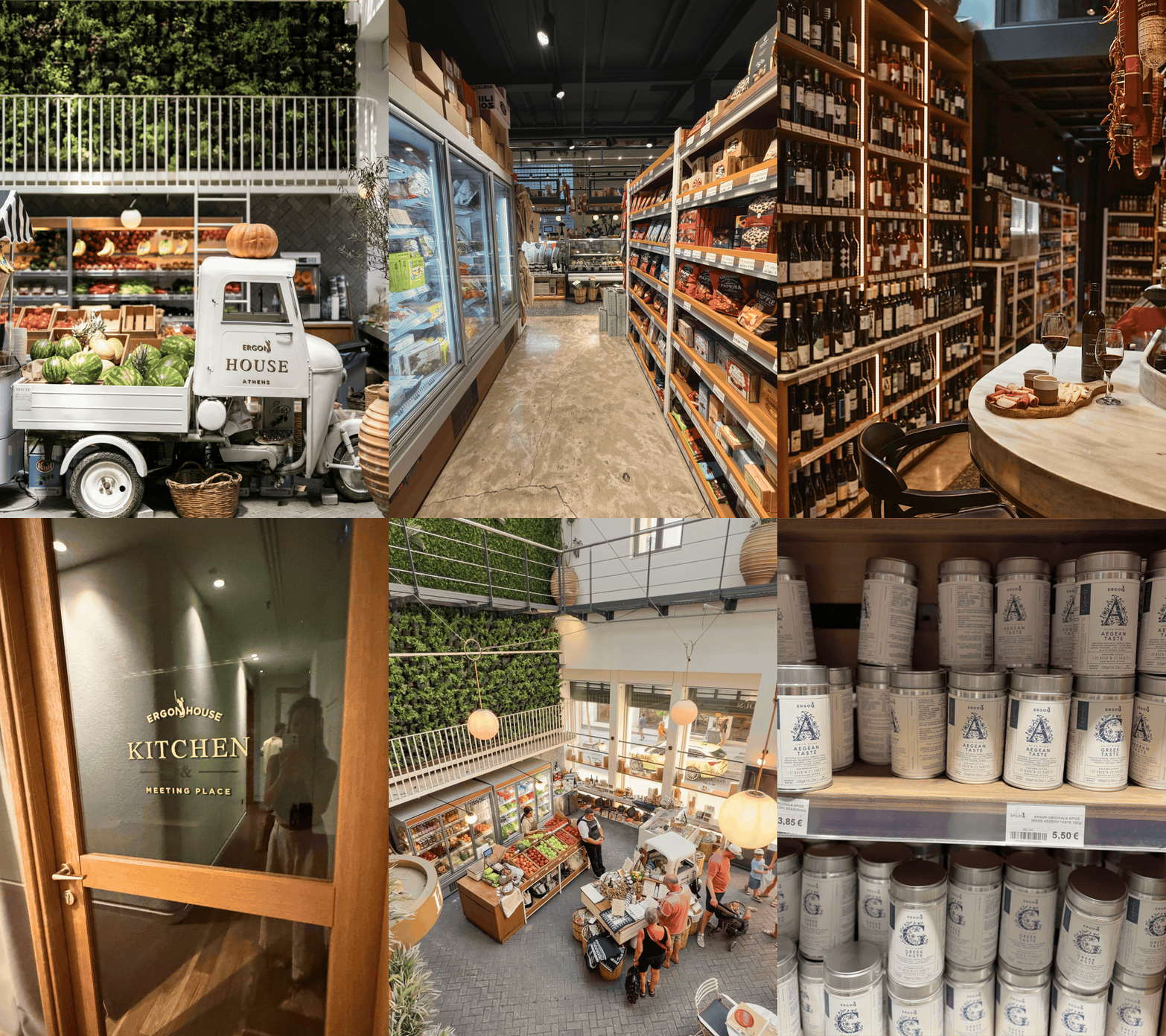
Ergon House works with over 150 Greek producers to package and sell 1200+ products here.
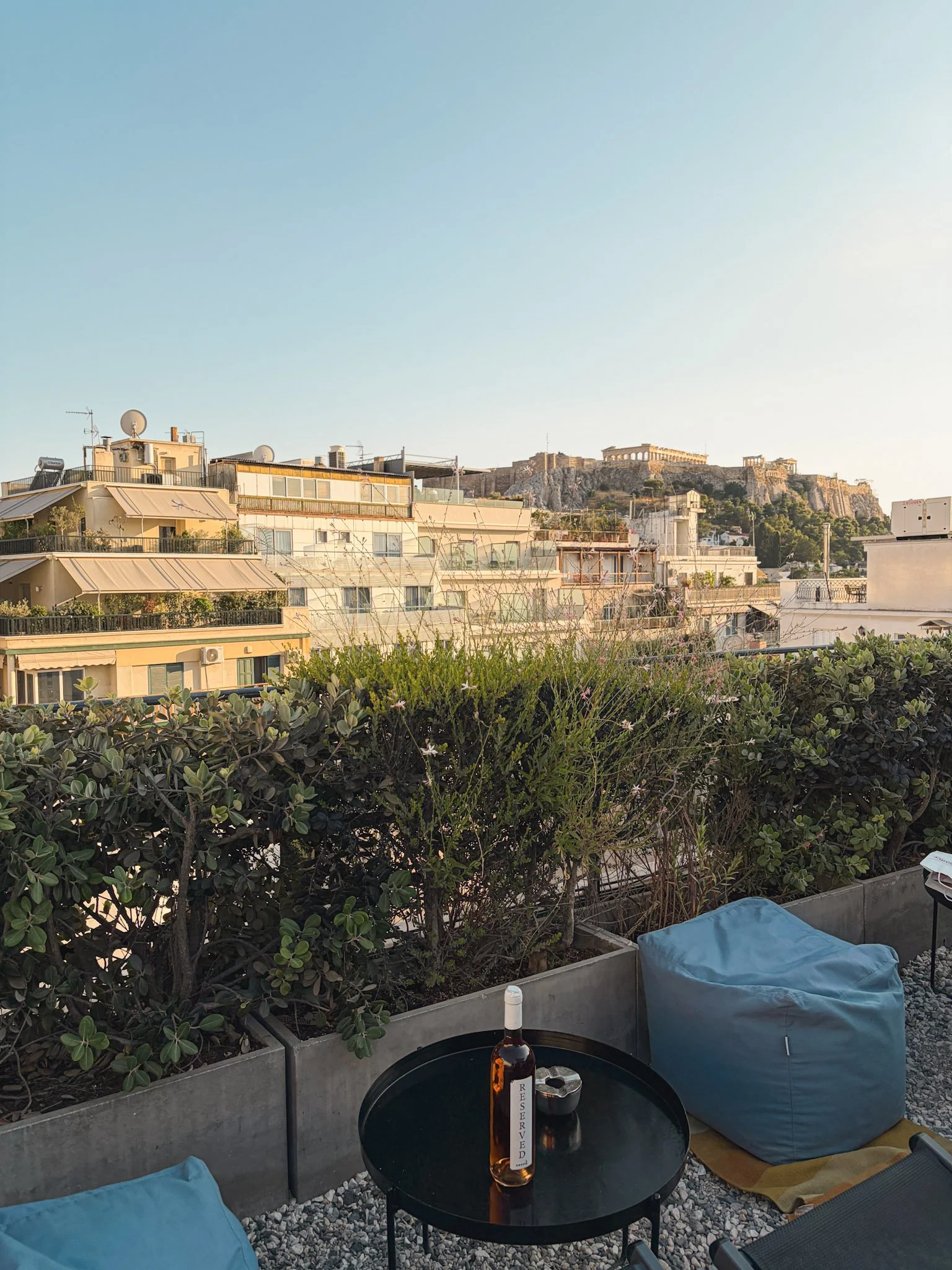
Rooftop views of the acropolis and casual lounge serves creative cocktails & wood-fire flatbreads.
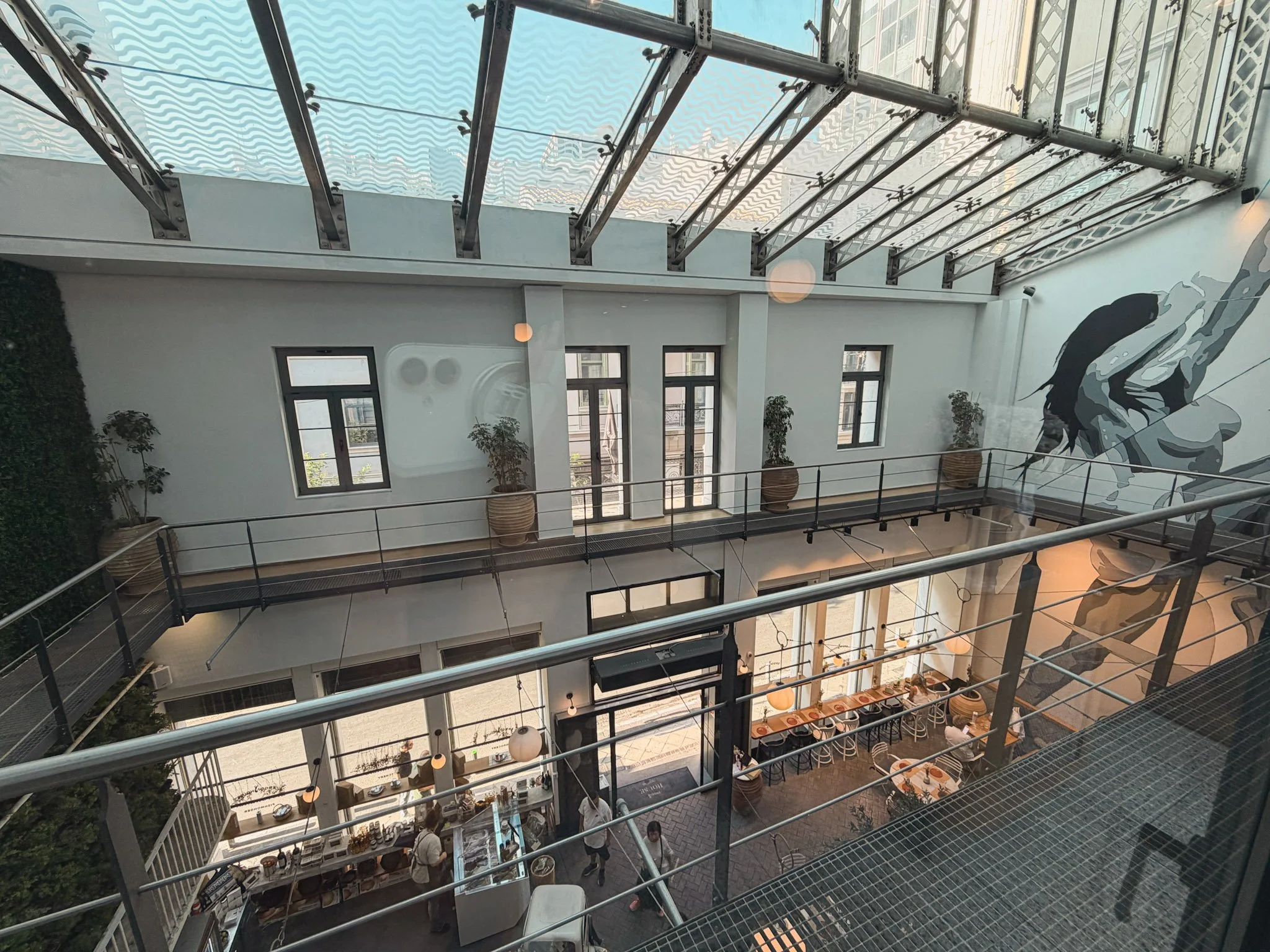
Atrium/agora/entrance and view from 2nd floor check-in desk

Gorgeously-designed rooms were compact yet very comfortable (sorry for another GIF).
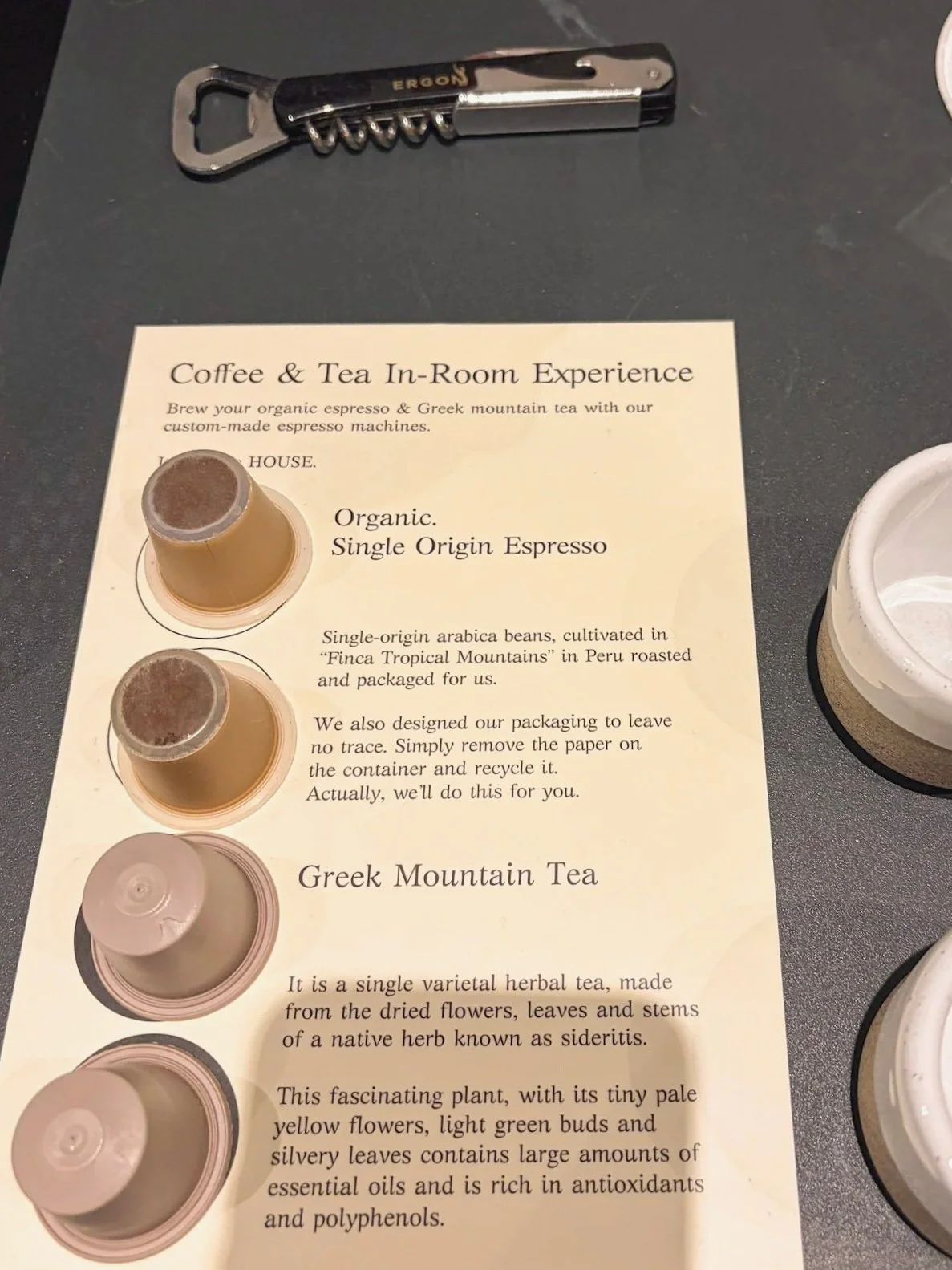
I love how they included thorough descriptions of the in-room coffee & tea. These pods were freshly filled, not Nespresso.
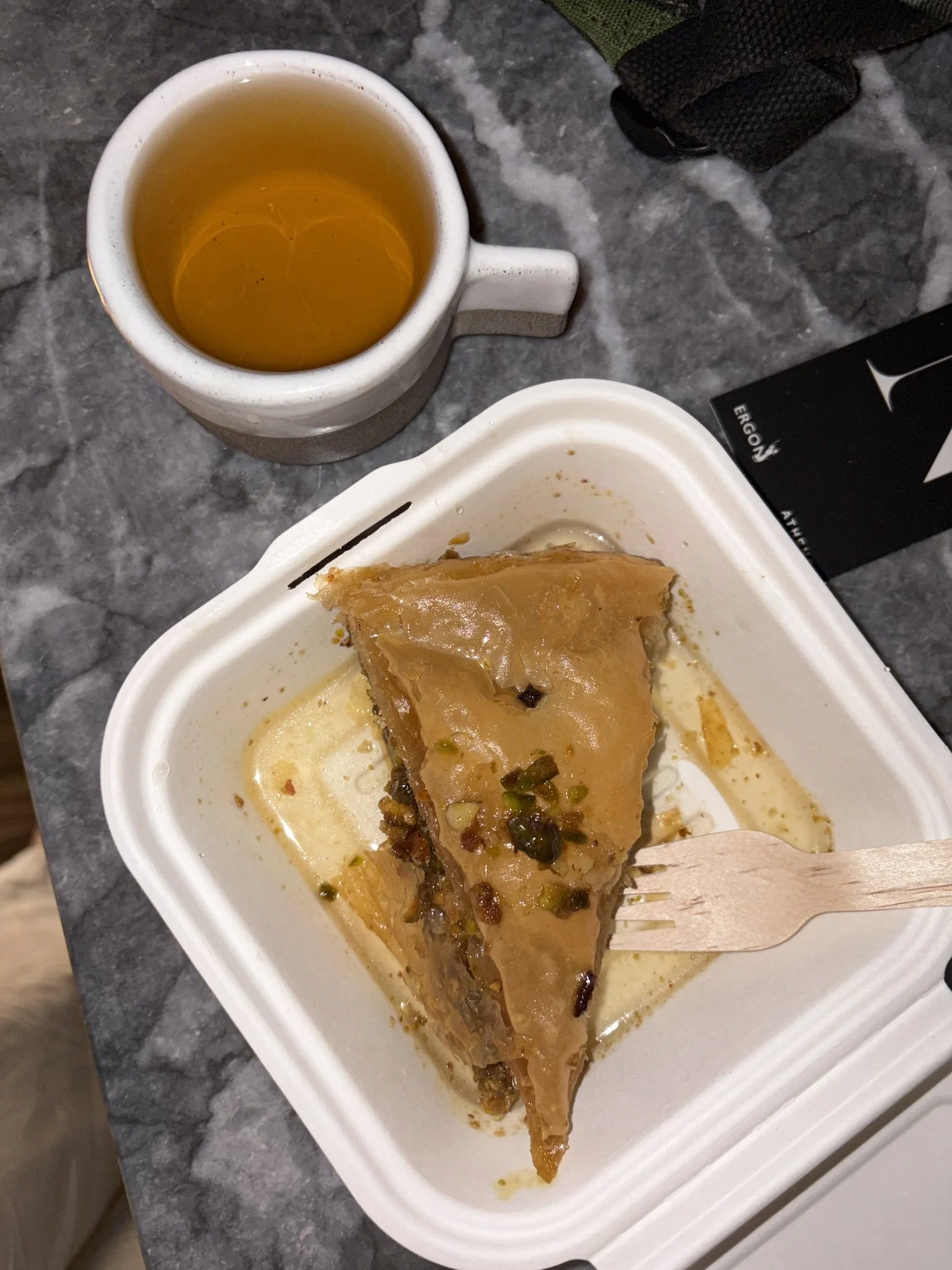
Mountain Tea midnight snack featuring baklava from Sugar Killer nearby. This creative dessert & ice cream shop is dairy-free (vegan) and refined sugar-free (made with agave).
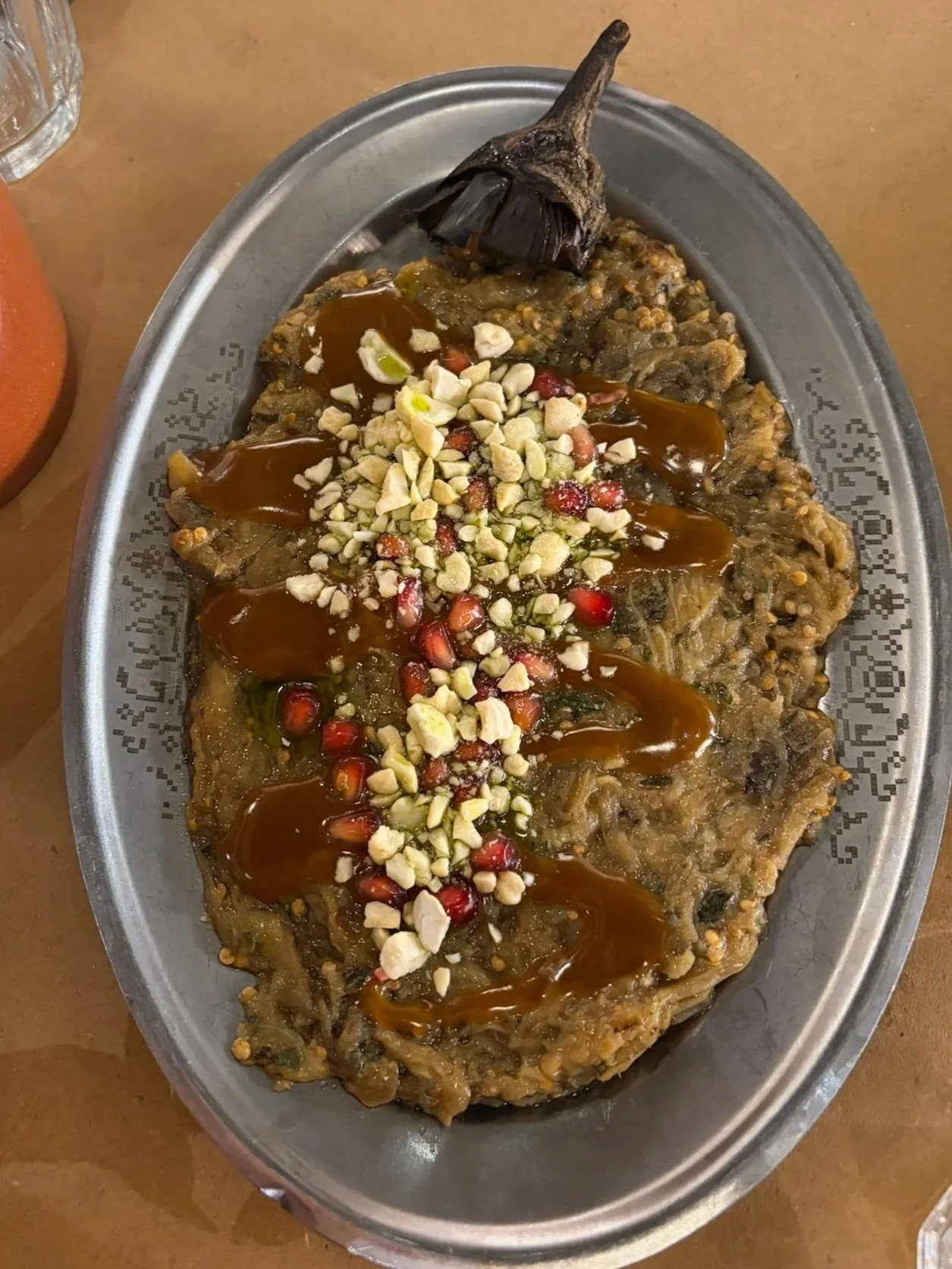
Grilled eggplant under the tree. Unfortunately I didn't get to feast at the hotel's market but the menu was impressive. With only 1 night in Athens, I explored outdoors for street food instead.
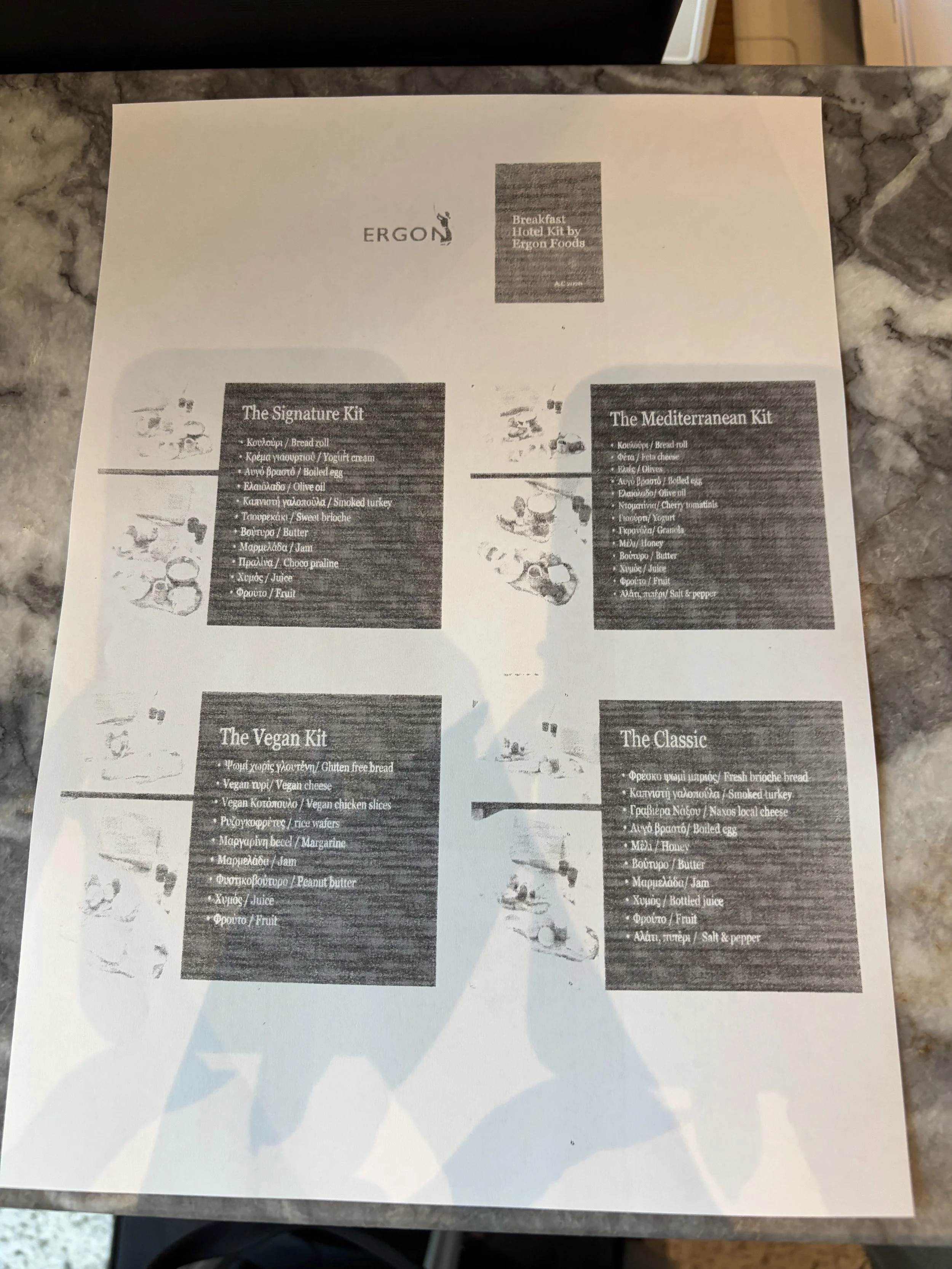
With a 6am flight I didn't get the chance to eat breakfast in-house. The hotel offered to-go kits (brilliant!) which I was looking forward to all night. Considering their market had an epic curation of greek foods including vegan feta, I was really disappointed when I opened the bag the next morning. It was not the same quality they sold... reminiscent of a toddler meal), missing items, and the bread was stale.
Wild Greens Appreciation
My mom never had to tell me to eat my greens. Warm, savory, and garlicky is how I prefer them. So when I first had “hot Aegean herbs” and “sea greens” during a trip to Turkey, I was hooked. Thankfully, Greece forages from the same waters and shares similar styles of mezes.
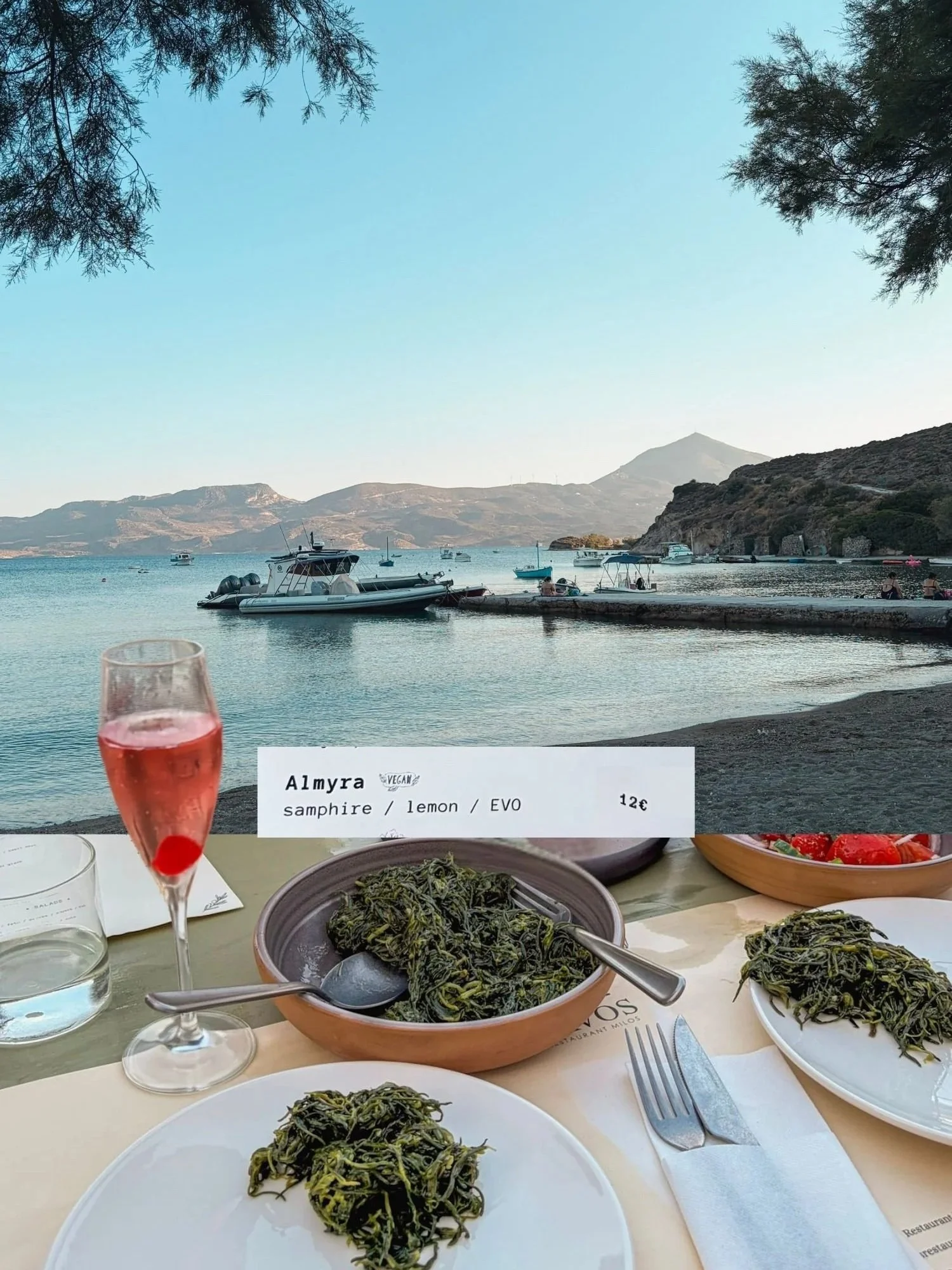
A big bowl of almyra: salty, tender sea greens flavored simply and priced affordably @ Cavos (best restaurant on Milos).
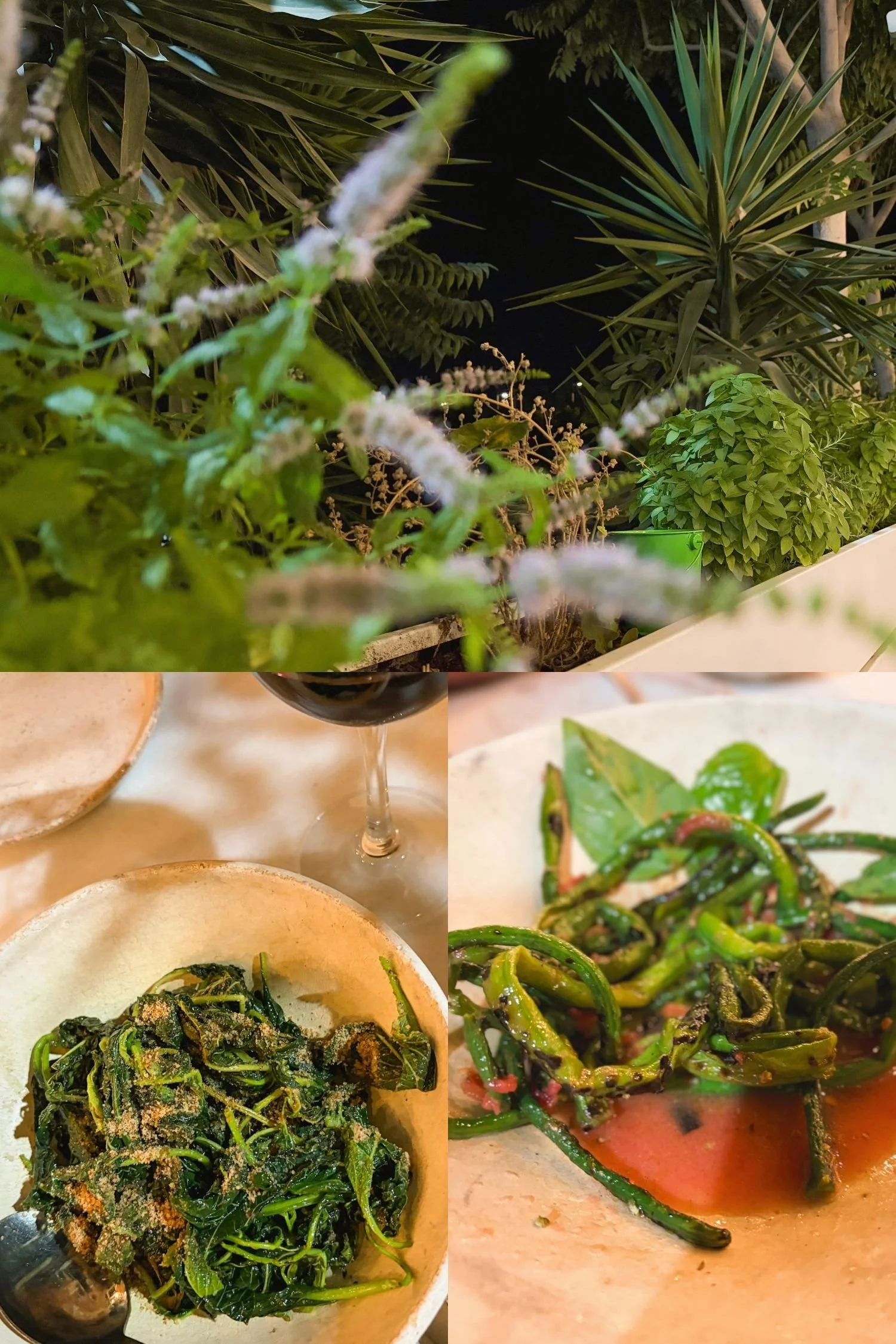
Rema Floga is an open wood-fire restaurant in Paros. Their charred wild greens with nuts and long green beans in tomato broth were deceptively delicious. Plus, the patio wall was growing potted herbs.
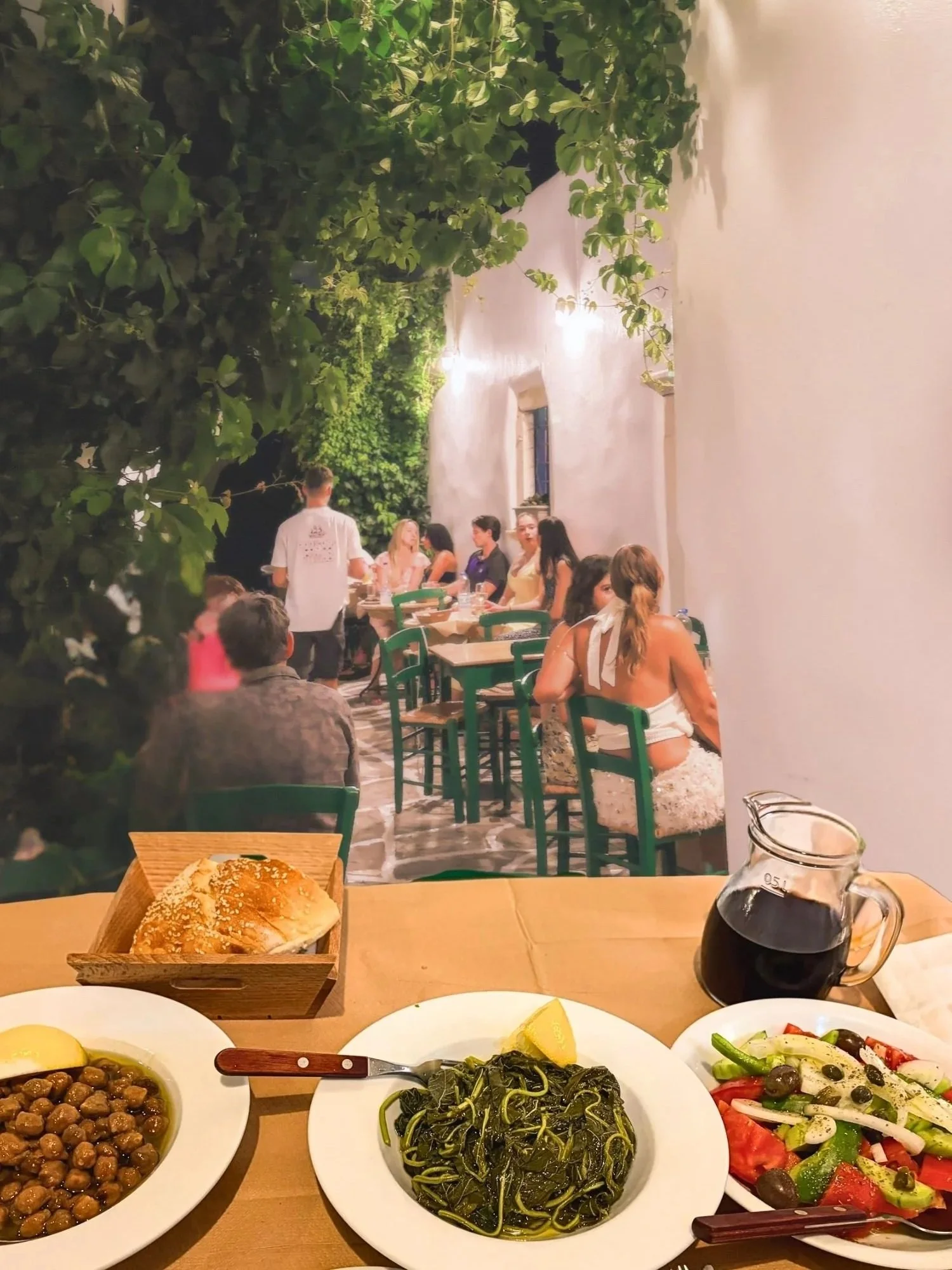
Homestyle food in a quintessential whitewashed alley: stewed chickpeas, boiled wild greens, and horiatiki.
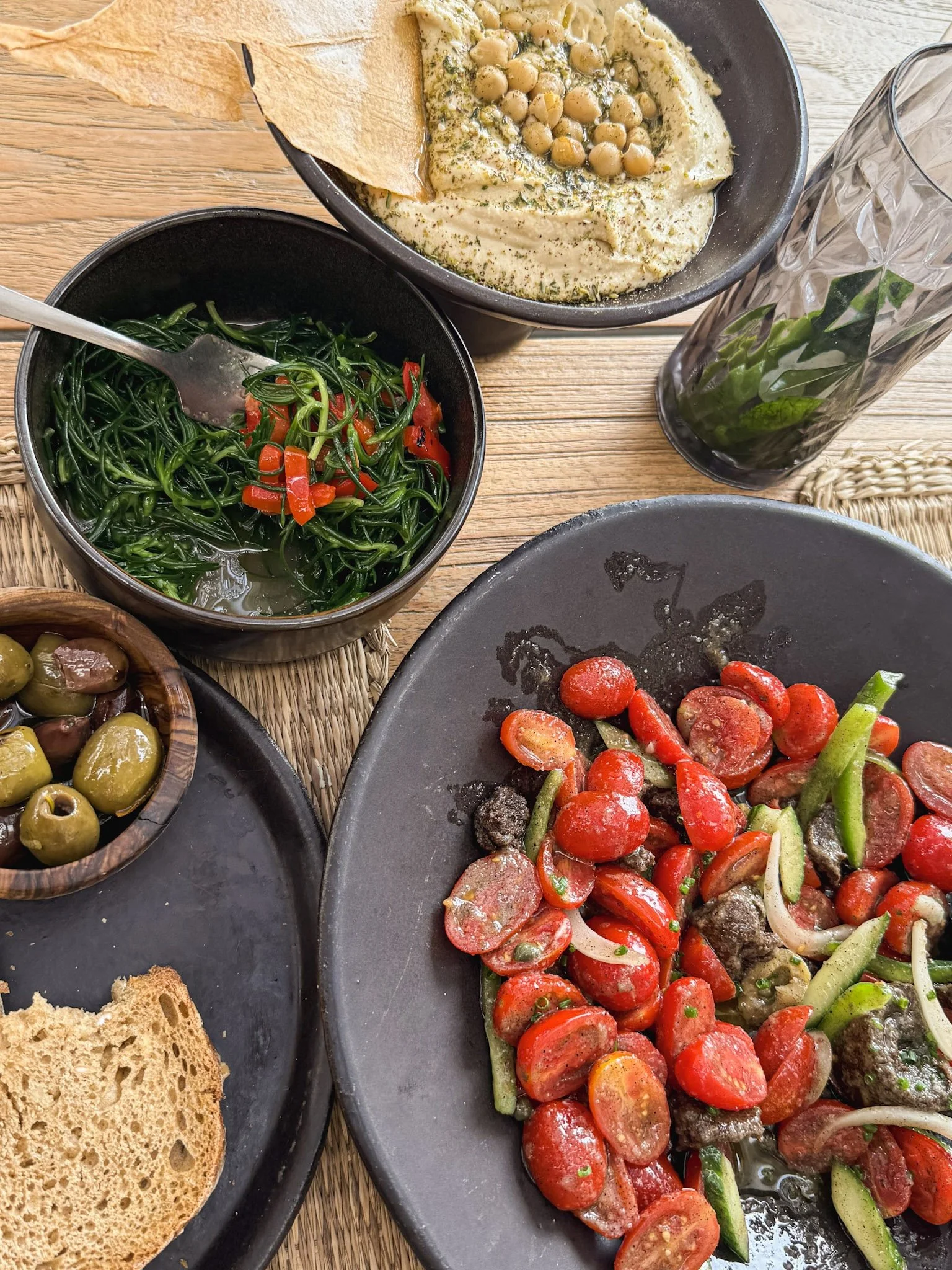
Surprised to find samphire sea greens at Crios, a chic beach club in Paros. The tomato barley rusk salad was also outstanding, thank you tomato season!
Olive Oil Appreciation/101
50-60% of Greek olive oil comes from small Koroneiki olives.
Flavor and antioxidants live in the skin of olives, therefore more skin per bite of olive = more flavor per drop of oil.
Olives are picked green and unripe which results in Greek olive oil being more intense and bitter – and I’m obsessed with peppery olive oil. Alternatively a riper olive produces a more mild oil.
Koroneiki olives are grown mostly on rocky, unirrigated hillsides in the Peloponnese mainland region though I did see plenty of olive groves everywhere I went.
Unfortunately I found an olive oil sommelier a little too late. They run olive grove tours and tastings through the Plaka village in Paros. Since timing didn’t line up, I’ll have to go back!
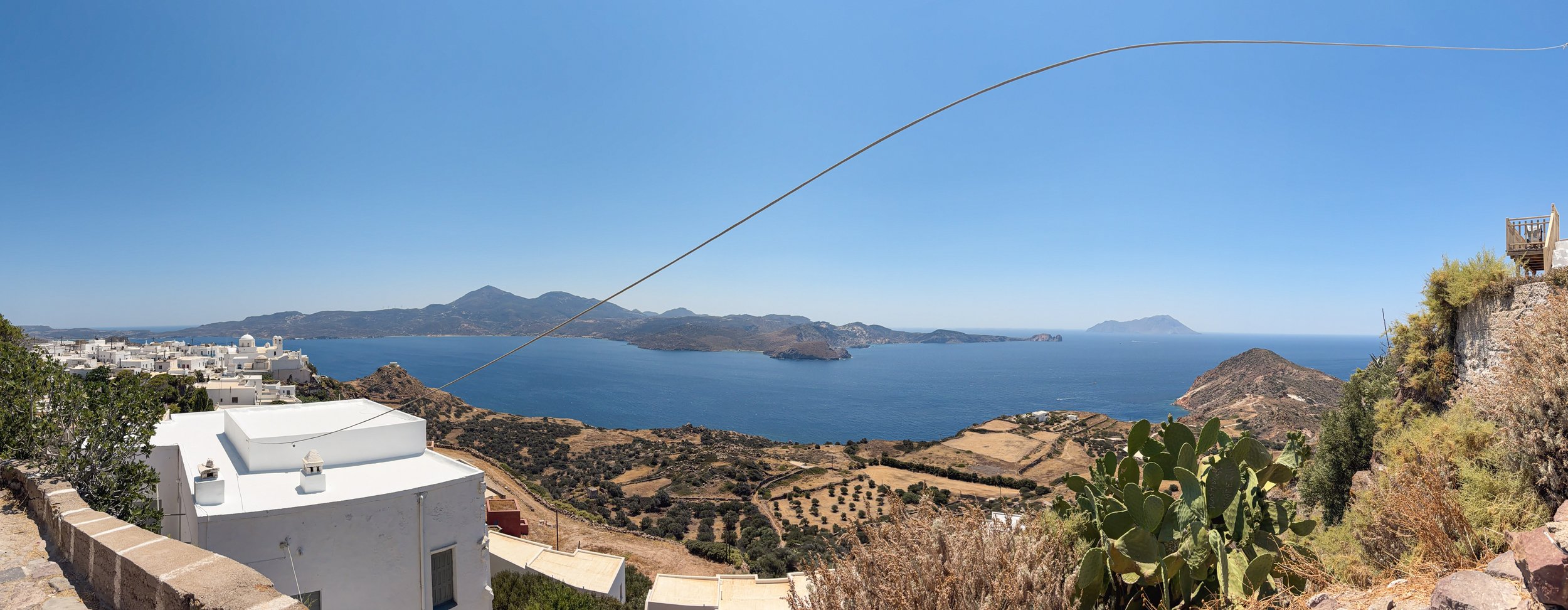
Panoramic views from a castle at the top of Plaka village with olive groves below.
Liquid Gold
Greece’s Master Miller olive oil earned the #1 spot at this year’s 2026 NYIOOC World Olive Oil Competition with 10 gold awards.
Apparently the Greek poet Homer referred to olive oil as "liquid gold" because it was a precious, shining commodity in the ancient world.
If you’ve browsed this far, efharisto! (and final photo dump!)
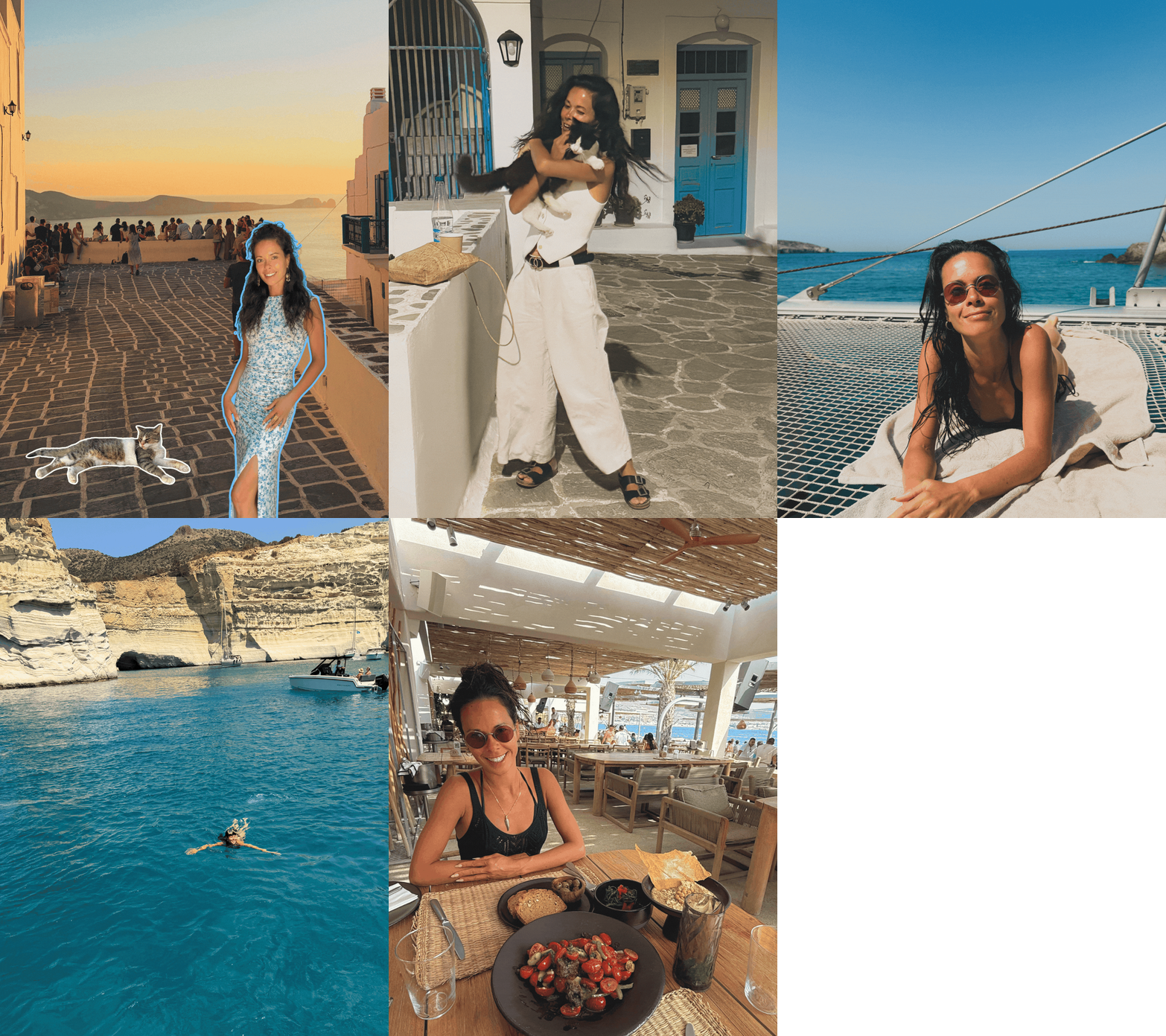
Take me back!
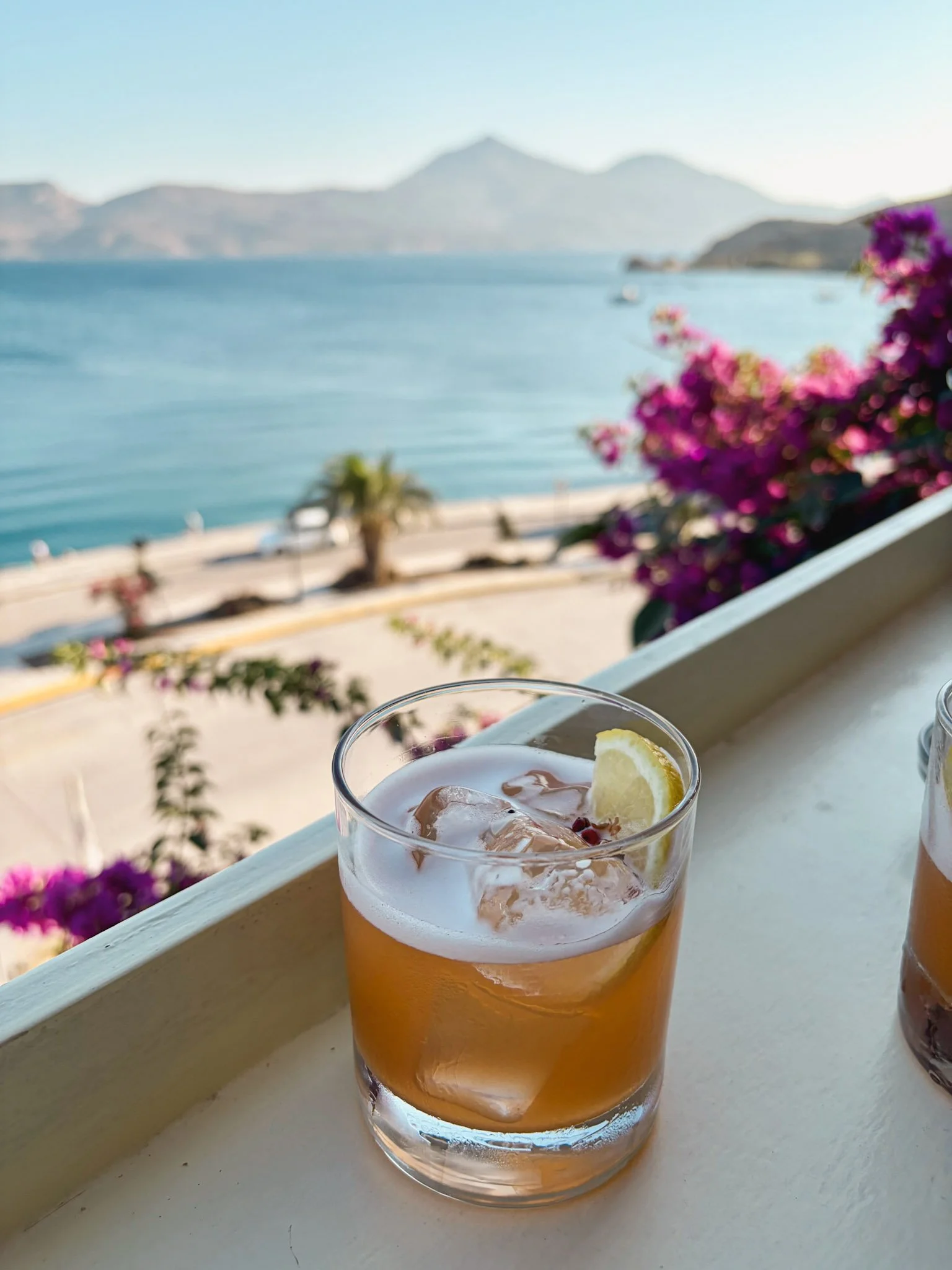
Mastiha sour with peppercorns. I'd never heard of the mastic tree before but it's very historical and versatile!
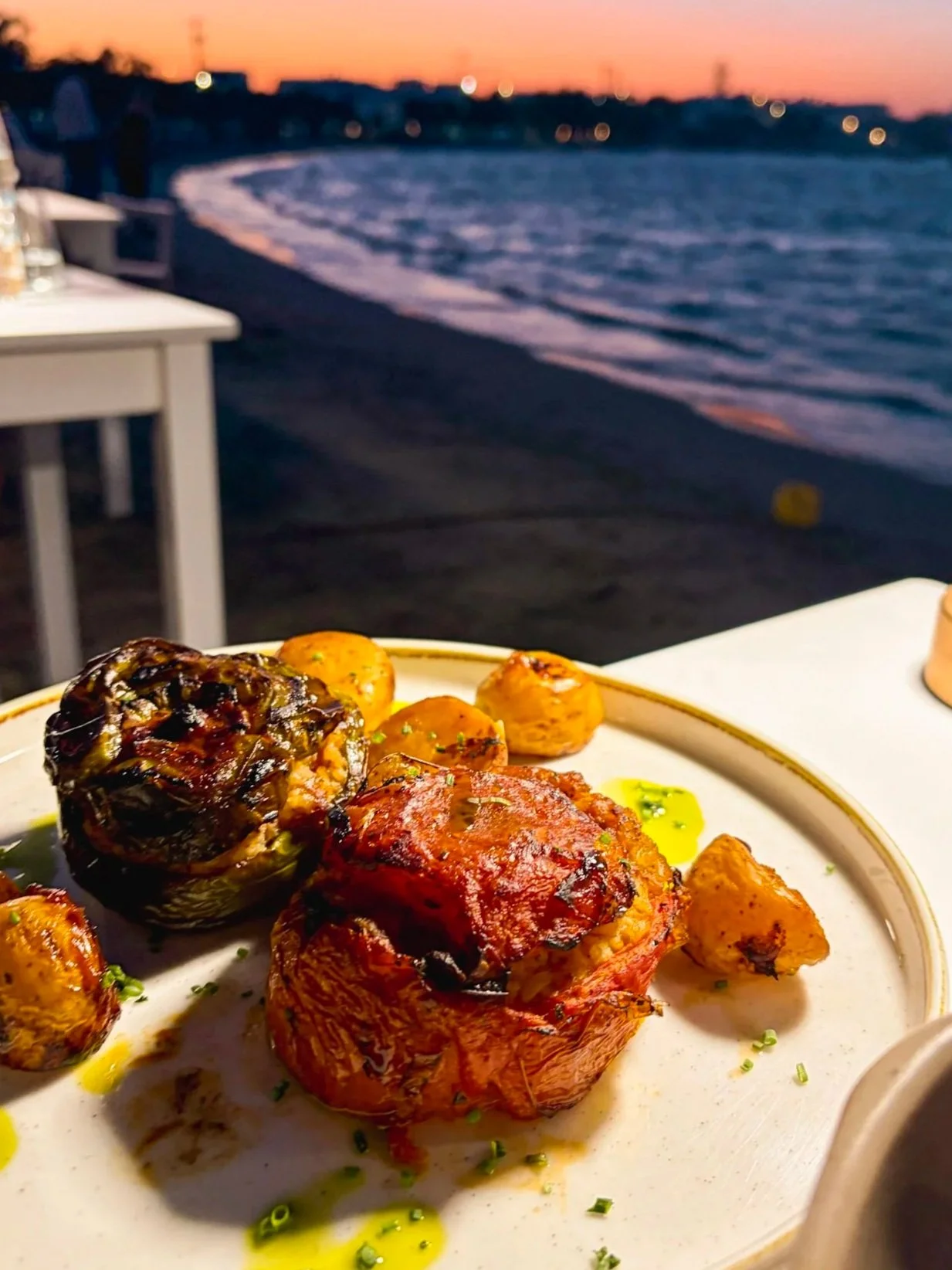
I was reminded how I need to cook gemistas more often at home.
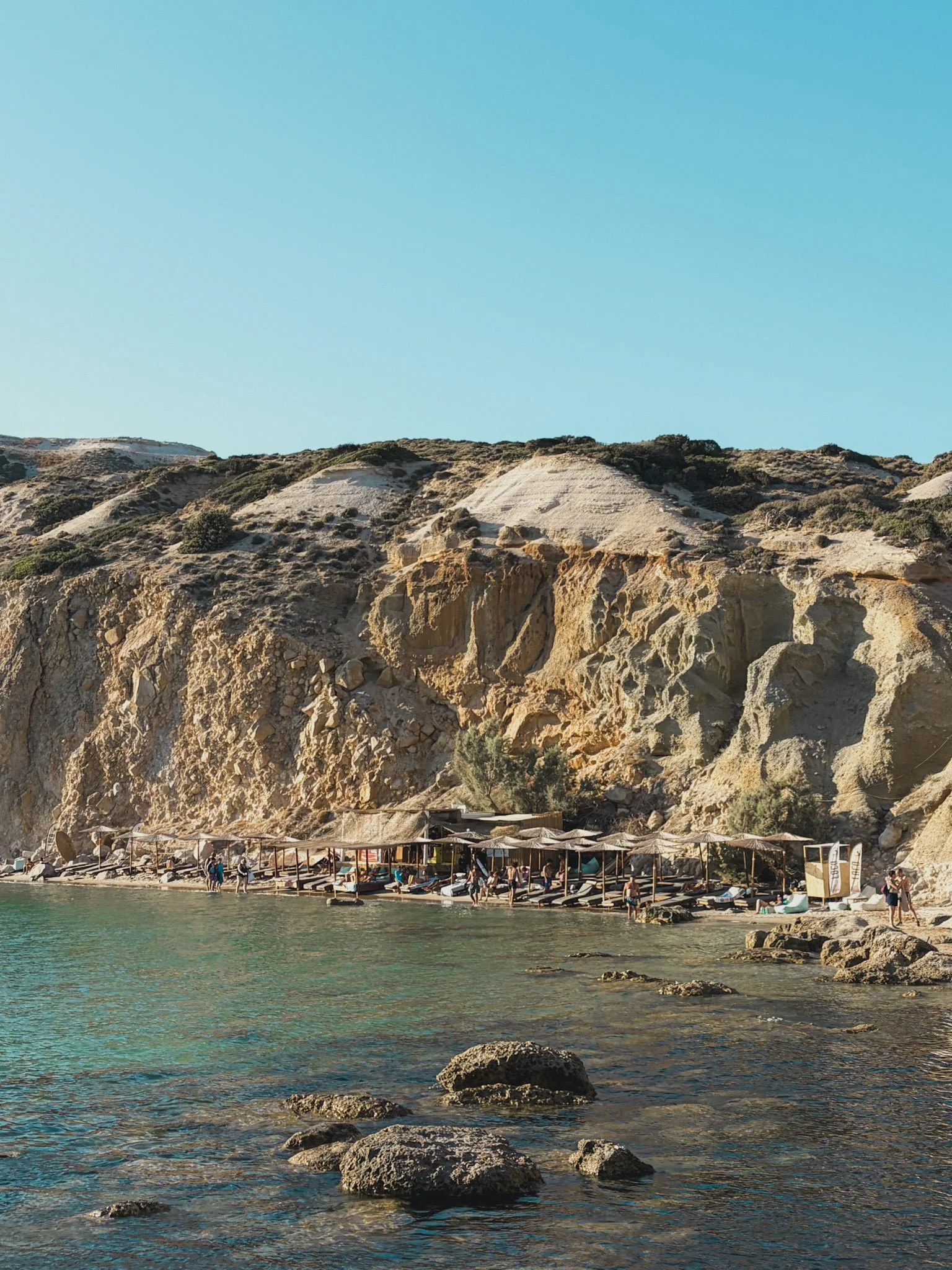
Gorgeous Firiplaka beach in Milos.
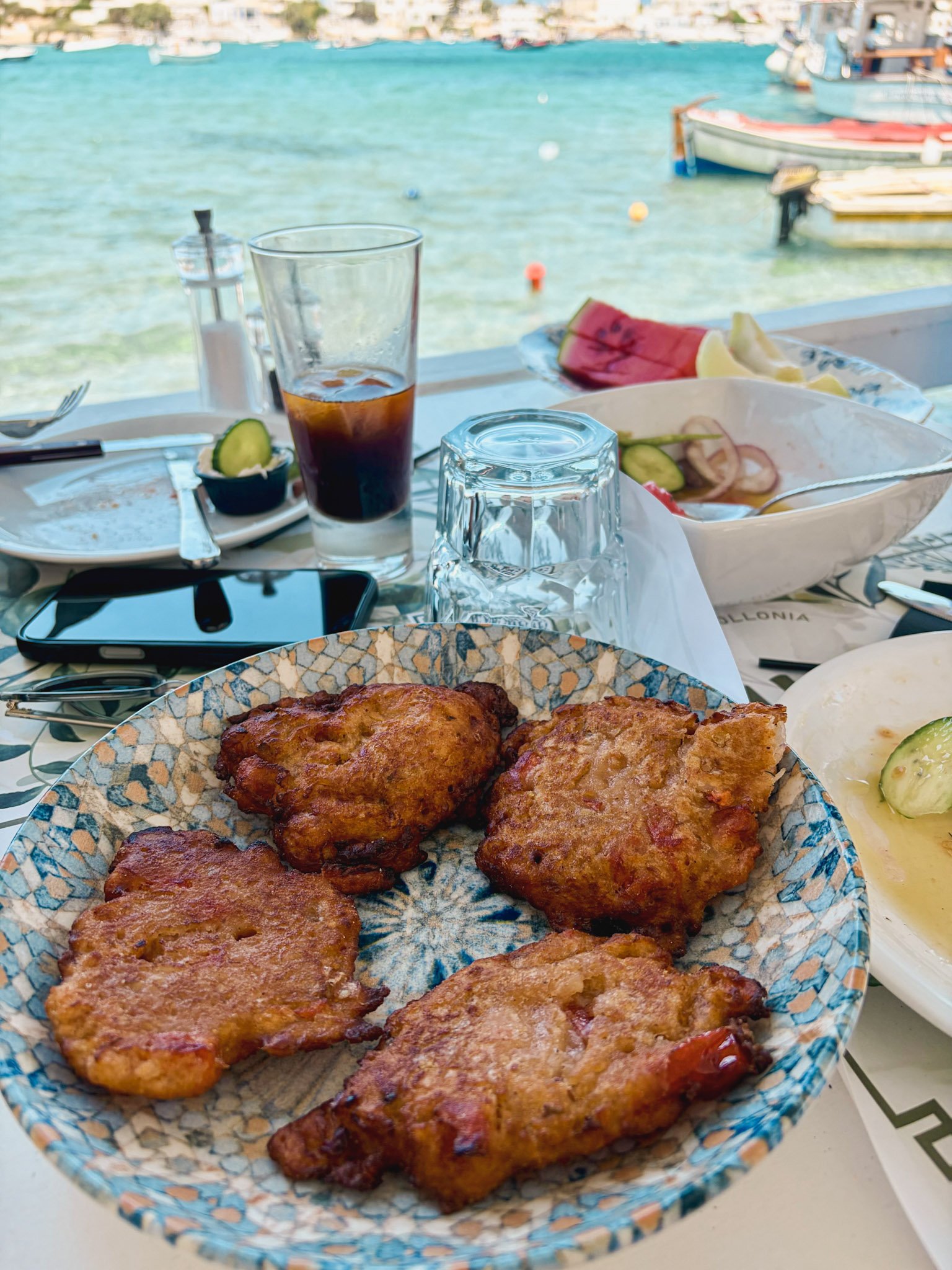
Tomato fritters and salad for breakfast.
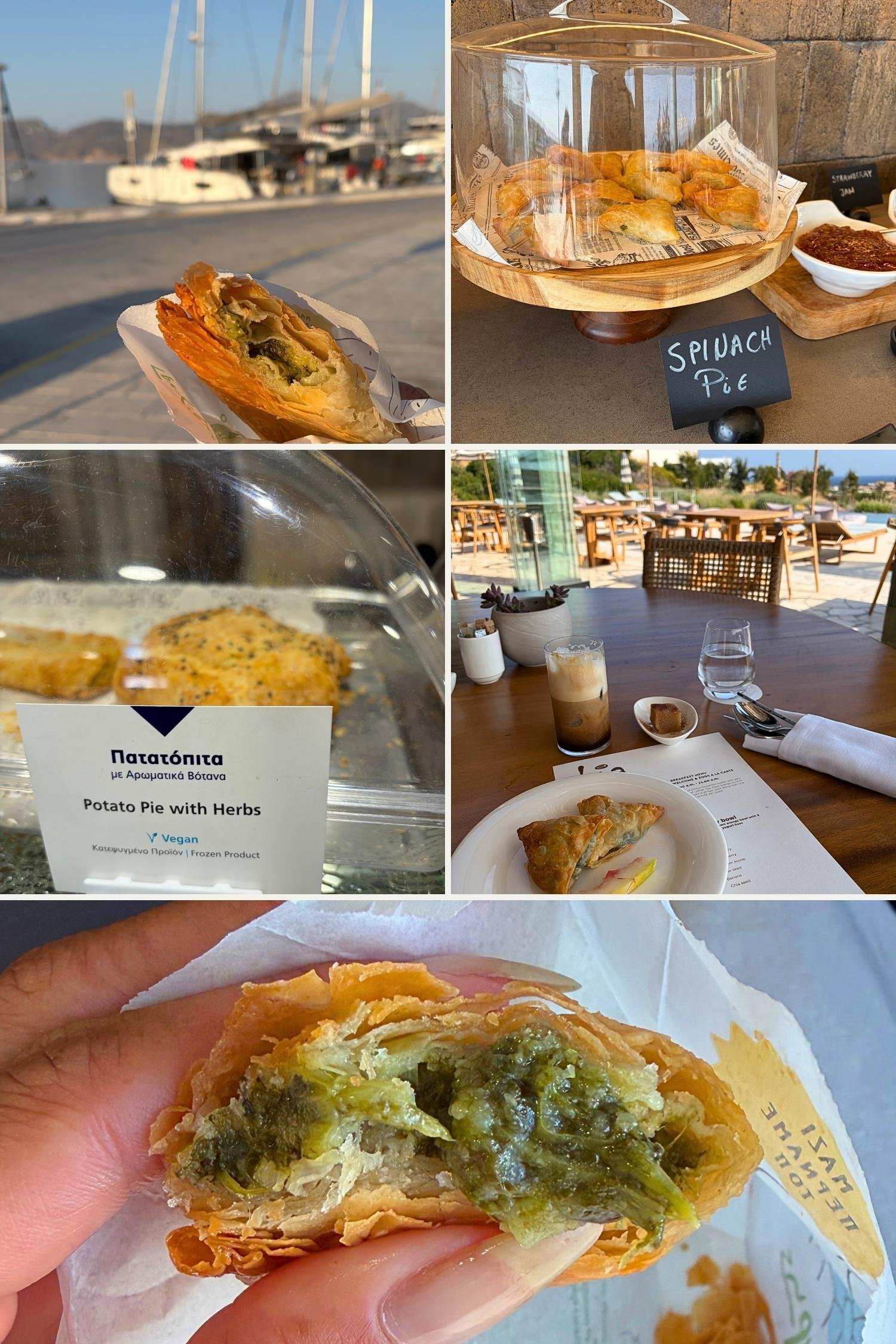
Phyllo pies with greens, my weakness!

¹ Let’s not romanticize water scarcity. For some crops, mild water stress can improve flavor profiles. But severe or prolonged drought damages plants and reduces yield.
Before arriving to Milos, I had read that tap water wasn’t recommended for drinking. I didn’t expect to rely on entirely on bottled water including at hotels who told guests tap was not potable. It was hard to grasp!
Later I learned Milos and Paros’ local water sources are strained. They have desalination plants, rainwater storage, and groundwater wells but also depend on shipped tankers and water bottles especially at restaurants.
Summer tourism adds enormous pressure to islands. Ogoing construction of villas, irrigated gardens, and everyday consumption all draw from systems that can’t be comfortably supported. I feel conflicted knowing that I was part of the problem.
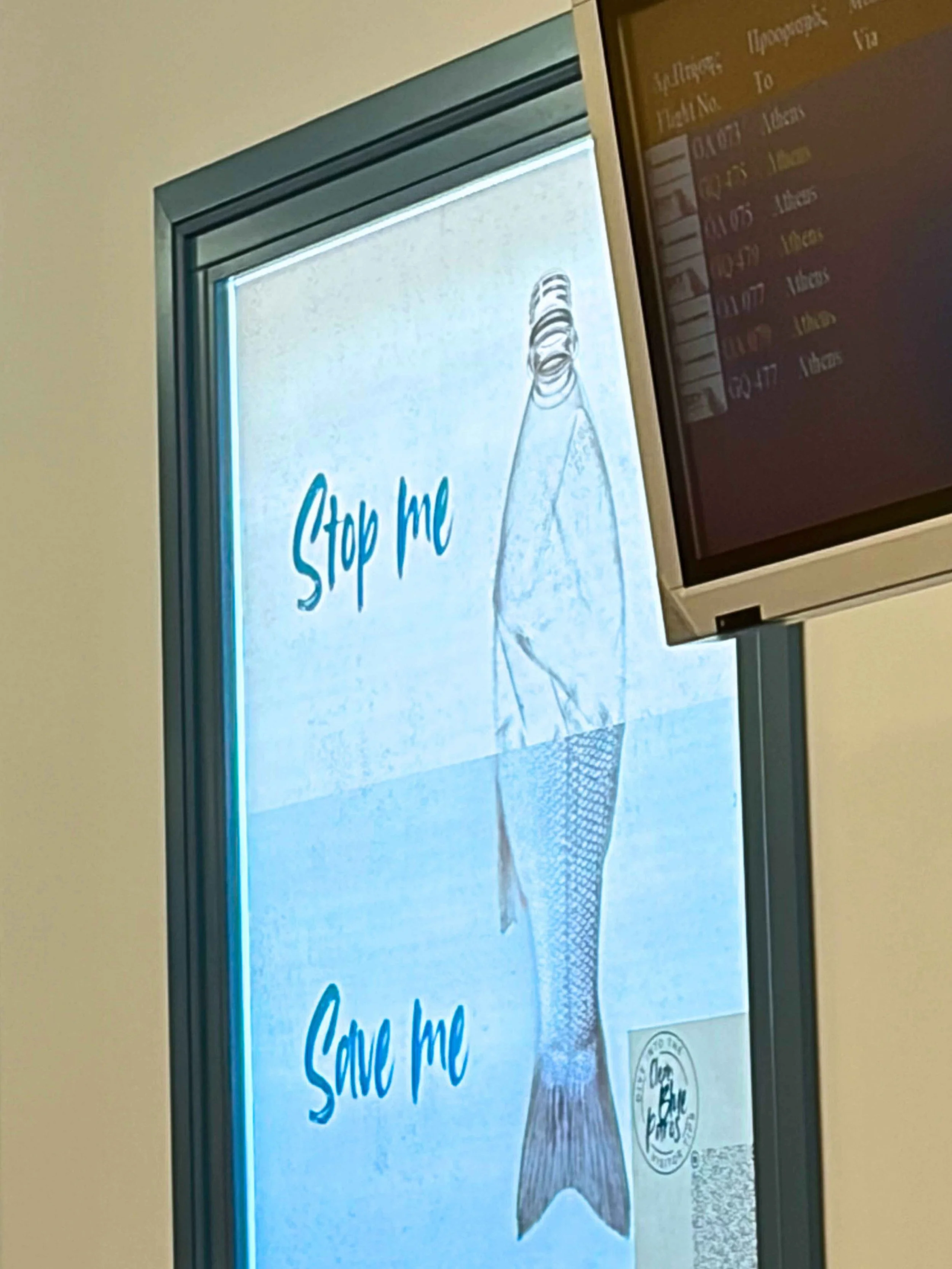
I noticed this plastic bottle reduction campaign at the airport: Clean Blue Paros.
But it’s ineffective. If tourists like me are not given a choice, they will consume water from single-use bottles.
Moreover, “Stop Me, Save Me” is misguided. To truly save a fish, simply don’t catch and kill it. But that’s an inconvenient truth people don’t want to hear while fish is on every menu.
This organization is doing good stuff so I want to share their programs: Cyclades Preservation Fund.
The day after leaving Athens, a rare midsummer storm hit parts of the country, bringing hail in some areas. Fires also broke out in Paros and on mainland Greece. Although I was grateful we weren’t there, I felt the weight of it for the people, animals, and land that call those places home.
Climate change does not explain every wildfire, storm, or natural disaster on its own. But human-caused warming is making many extremes more frequent and intense, including heat, drought, heavy rainfall, and the hot, dry conditions that raise wildfire risk. It puts further strain on ecosystems and agriculture, with consequences for the people whose livelihoods depend on them and, ultimately, for all of us.
Eleven years of working on sustainability-driven projects and being an activist have taught me that climate work is ultimately human work. We need to put people at the center of the conversation. Climate action is about who has clean water, who can farm for the rest of us to eat, whose home is protected, whose knowledge is valued, and whether the systems we build support life rather than extract from it. That is the kind of work I want to continue contributing to.
– Jennifer